
How One London Creative’s Journey Explores Masculinity, Identity, and Belonging
2025-08-11 07:02 - By Marco Biagioli and Erica Melargo
How One London Creative’s Journey Explores Masculinity, Identity, and Belonging
By Marco Biagioli
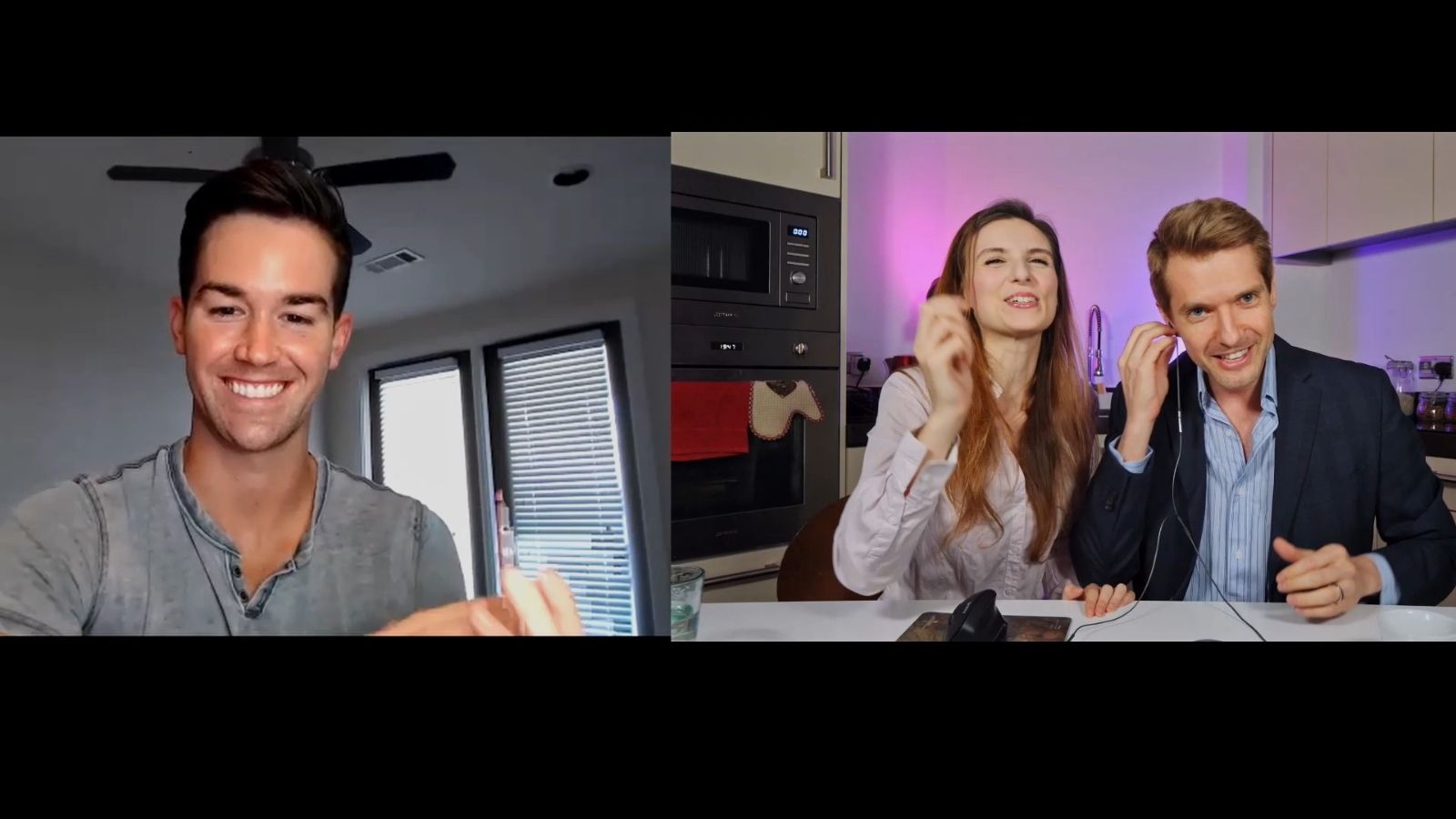
It began over easy laughter and shared banter at a South London park; Erica Melargo and I met with Darryl, a multidisciplinary artist from North London. Our conversation quickly unfolded into a broader exploration of how personal history shapes perception, how communities navigate inherited expectations, and what belonging means in a city shaped by generations of migration and cultural exchange.
The Camera, The Eye, and The Weight of Unspoken Expectations
To Darryl, a camera isn’t a magical object. It is glass and metal, entirely dependent on the human eye behind it. He told Erica and I: “The lens doesn’t make you see. You look through your own eyes first. The click just becomes an extension of you.”
That metaphor extends far beyond photography. Growing up in Camden and Archway, Darryl carried the quiet burden of unspoken expectations, particularly around how young men were supposed to behave. He shared with me that he described himself as a sensitive child navigating a culture that often equated emotional restraint with strength. “When you’re a boy and sensitivity isn’t normalized,” he said, “you learn avoidance. It doesn’t make you braver. It makes you anxious, tired, and distant from the people closest to you.”
This experience reflects wider conversations around masculinity, emotional expression and mental wellbeing among men in Britain. ONS data consistently shows that suicide rates are significantly higher among men than women in England and Wales, highlighting the continuing importance of accessible mental health support and early intervention..
In some families and communities, including those shaped by migration histories, traditional expectations around masculinity can influence how emotional difficulties are understood and discussed. These pressures can combine with wider barriers that prevent some men from seeking support.
Mental health advocates and youth workers across the capital confirm that early intervention is increasingly tied to emotional literacy programs that reframe vulnerability as resilience. Seeing organizations like Men’s Sheds London and local counseling services gain traction was encouraging. Darryl’s realization that sensitivity isn’t a deficit but a form of perception aligns perfectly with this shifting cultural current I believe in.
Coping, Compulsion, and the Redirection of Energy
Like so many people navigating complex emotional landscapes, Darryl himself once turned to external mechanisms to manage internal turbulence. He spoke openly about experimenting with substances in his early twenties and later developing an intense fitness routine – working out for hours daily. Rather than seeing these phases as moral failures, he now views them through the lens of self-awareness. “Every addiction is responding to something,” he explained to Erica. “It’s not about punishing yourself for it. It’s about understanding what threat or void it was filling, and then taking back control.”
This perspective aligns with broader shifts in mental health practice, where trauma-informed approaches increasingly focus on understanding the causes behind harmful behaviours rather than relying solely on punishment or stigma. Addictive behaviors often serve as coping strategies for unprocessed stress or fear of disappointing family expectations.
Community responses in London are evolving accordingly; peer-led support groups and creative arts therapies are being integrated into NHS pathways. Darryl’s journey illustrates a growing consensus that healing rarely comes from simply suppressing things. It comes from recognizing patterns, establishing boundaries rooted in self-respect rather than shame, and channeling energy toward sustainable expression.
Heritage, Hybridity, and the Architecture of Belonging
For Darryl, nationality is clearly something starting coordinates, not a destination. When he said, “I identify as a creator. Everything else is context,” it struck us powerfully. Born to Nigerian parents who migrated from a rural village, he grew up immersed in values that prioritize respect, faith, communal responsibility, and familial loyalty. I enjoyed hearing how the global rise of Afrobeats has given diaspora youth a sense of pride and continuity for them. Yet, he also acknowledged the complexities – Nigeria’s regional divides, resource inequality, and political polarization are constant echoes in diasporic conversations.
London itself is truly a living experiment in cross-cultural integration. The 2021 Census showed that a substantial proportion of London residents were born outside the UK, reflecting the city’s long history as a global centre of migration and cultural exchange. While diversity fuels innovation, We are always reminded by sociologists that mixing alone does not guarantee cohesion; true integration requires intentional infrastructure: multilingual community hubs, inclusive arts funding, and policies addressing disparities along ethnic lines.
We noted during our discussion how cities thrive not by erasing difference, but by actively creating spaces where difference can coexist without friction. The challenge, as researchers have documented, is ensuring that simple tolerance translates into genuine equity beyond postcodes for everyone we live with. Darryl’s reflection that “we need time to get comfortable walking past what doesn’t look like us” perfectly captures a fundamental truth: belonging isn’t instant; it’s cultivated through repeated, respectful exposure.
Creativity as Discipline, Not Escape
Looking forward, Darryl is focusing on method acting and developing a short film where he will portray multiple characters exploring internal conflict. “Acting isn’t about running from yourself,” he told Erica and me. “It’s about feeding the playful part of you, even when the material is heavy. If I’m not lost in it, the audience won’t be either.”
This approach challenges a misconception that performance requires self-erasure. Instead, Darryl treats creativity as a disciplined return to authenticity, which I believe is my own goal for much of my work. Research into arts participation has increasingly explored links between creativity, wellbeing and social connection, particularly through community-based programmes.
Darryl’s commitment to consistency reflects a broader essential shift in the creative sector toward sustainable, mentally healthy working practices – something I hope will become mainstream for all artists and creators here.
The Frame Beyond the Conversation
Through Darryl’s reflections on perception, vulnerability, heritage, and craft, Erica and I uncovered questions that extend far beyond one man’s life to affect us all: How do we raise young men to honour sensitivity as strength? What does genuine integration look like in a city that celebrates diversity but still contends with structural inequity for its residents?
The camera may only be glass and metal, but what it records—and who holds the lens—reveals how our communities see themselves. In London, as Darryl’s journey illustrates, the most powerful frames are not necessarily about perfection; they are about presence, recognition and the ability to see ourselves and others more clearly.
Written by
Marco Biagioli and Erica Melargo
In this Article
News
10 December 2021
“I sent my Résumé to NASA every week for a year”: Meet Aerospace Engineer Thomas Ivanco
Wed, 25th Mar 2026
“Life Is Too Short to Be Shy”: How One Brazilian Immigrant’s Journey From Cancer Survivor to Soft Skills Entrepreneur Reveals London’s Hidden Loneliness Epidemic
21 February 2022
“You cannot change the past, but only you can change the future!”
16 January 2025
“I Wanted to Help People”: Deputy Supervisor Rick Marsh of Tuxedo, the Gem of New York, on Humans of the World with Marco and Erica
30 November 2021
“Il cielo è il limite e tu sai che puoi avere / Quello che vuoi, sii quello che vuoi”.
31 August 2021
“SIAMO TUTTI SULLA STESSA MUCCA”
30 July 2021
“Tu non puoi cambiare il passato, ma tu solo puoi cambiare il futuro!” Primo piano di aspirazioni e obiettivi del fotografo Arnt Eriksen.
2 July 2021
#TRUELIFE: Marco and Erica spotted at DAM Health Covid-19 Test centre
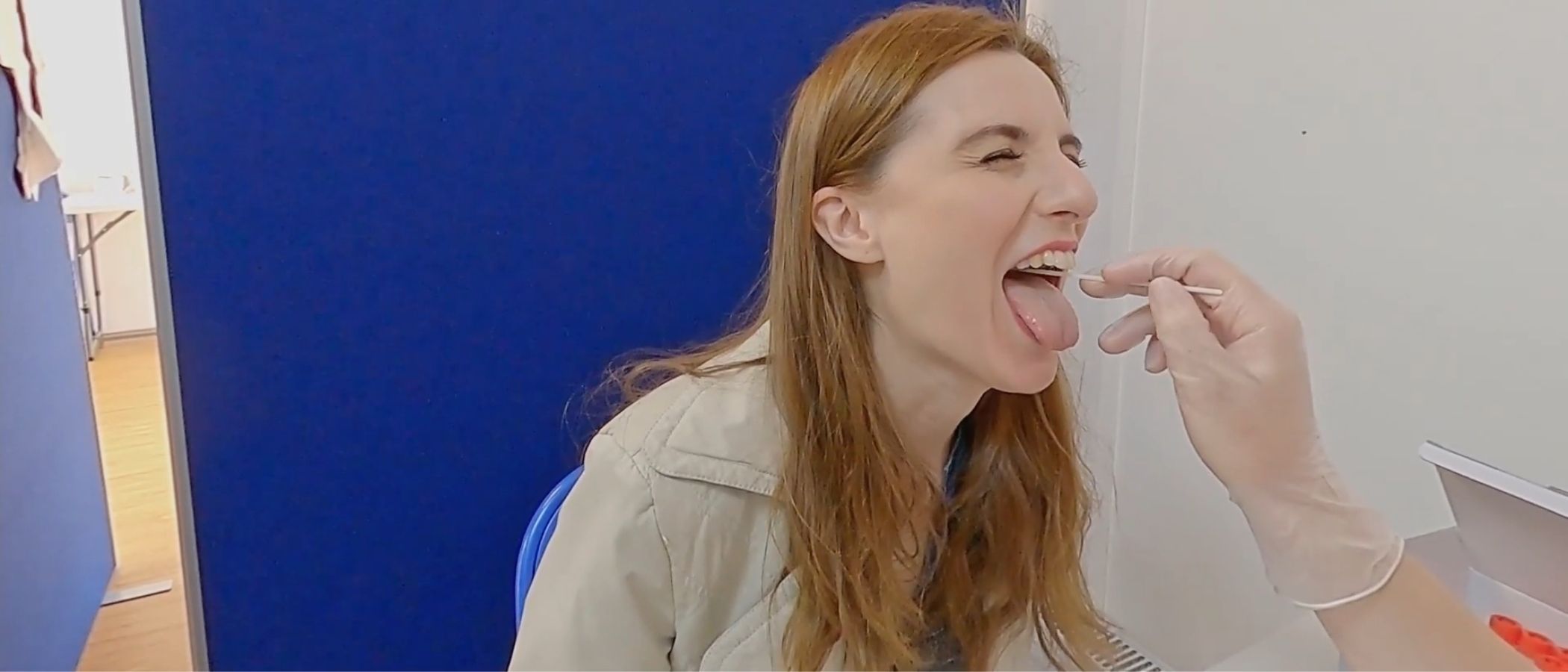
2 July 2021
#TRUELIFE: Marco ed Erica di nuovo in viaggio!

24 December 2021
61 Motivi per Trasferirti all’Estero
24 December 2021
61 Reasons Why You Should Move Abroad
8 November 2021
A Britalian in Rome: the actress Jane Alexander
16 July 2021
A caccia di aurore boreali
29 January 2023
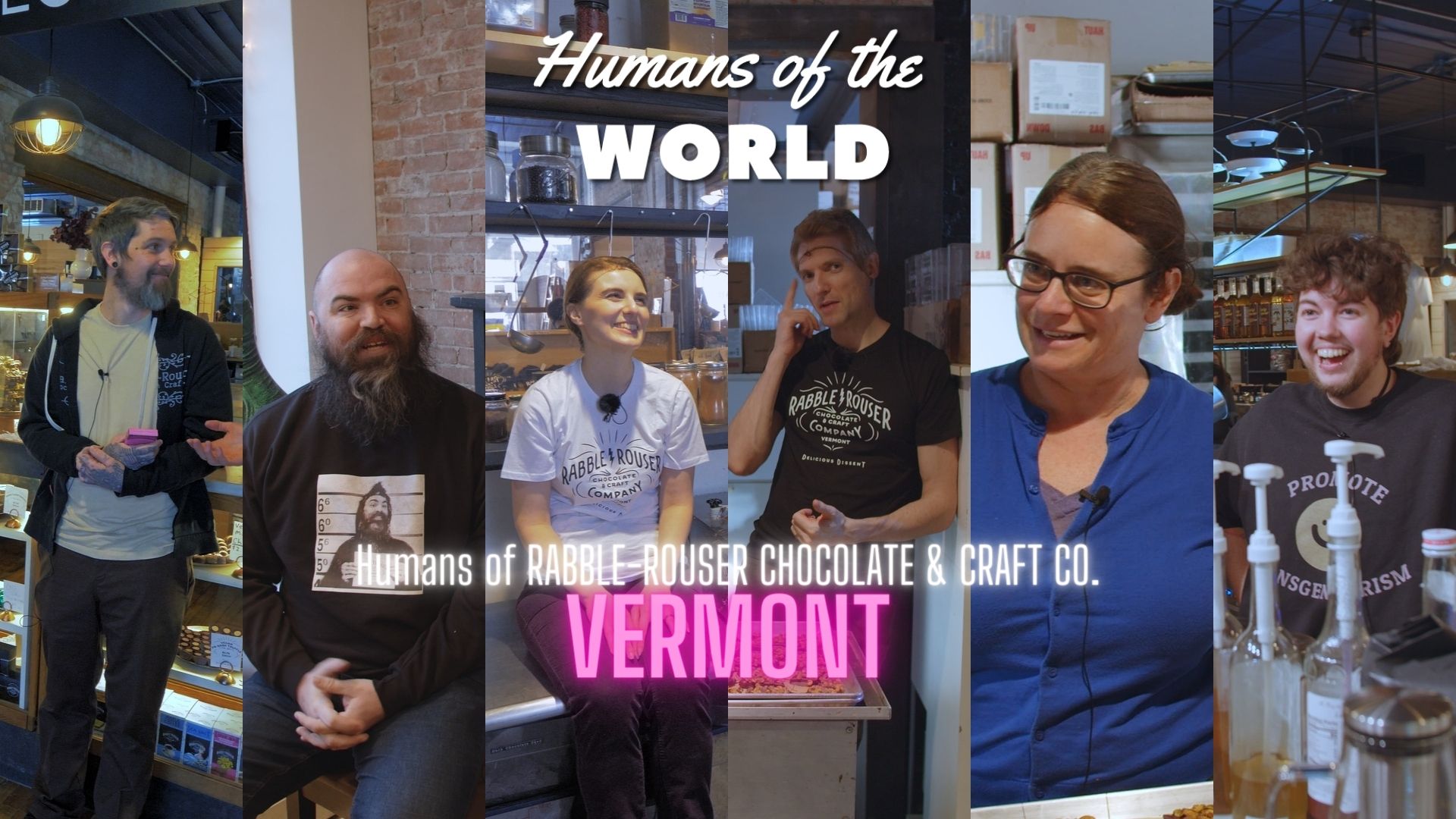
A Chocolate Extravaganza In Vermont- Humans of the World third Season Flies Across The Pond
15 November 2024
A Conversation with Dr. Markus Naser: The Unlikely Mayor of Rothenburg ob der Tauber
15 November 2024
A Day in the Life of Oliver Gußmann: Rothenburg's Tourist Pastor
15 November 2024
A Glimpse into the Life of Laura: Embracing Family, Theater, and Cultural Diversity
23 July 2021
A journey into the atelier of Cipessa Prin

6 July 2022
A Miniature Artist Explains to Marco and Erica How to Put Things into Perspective
17 January 2022
A talent in… Nashville!