
Between Boardrooms and Bambara: How a New Generation is Redefining Success, Identity and Belonging
2025-12-02 08:39 - By Erica Melargo
Between Boardrooms and Bambara: How a New Generation is Redefining Success, Identity and Belonging
By Erica Melargo (Britalians TV)
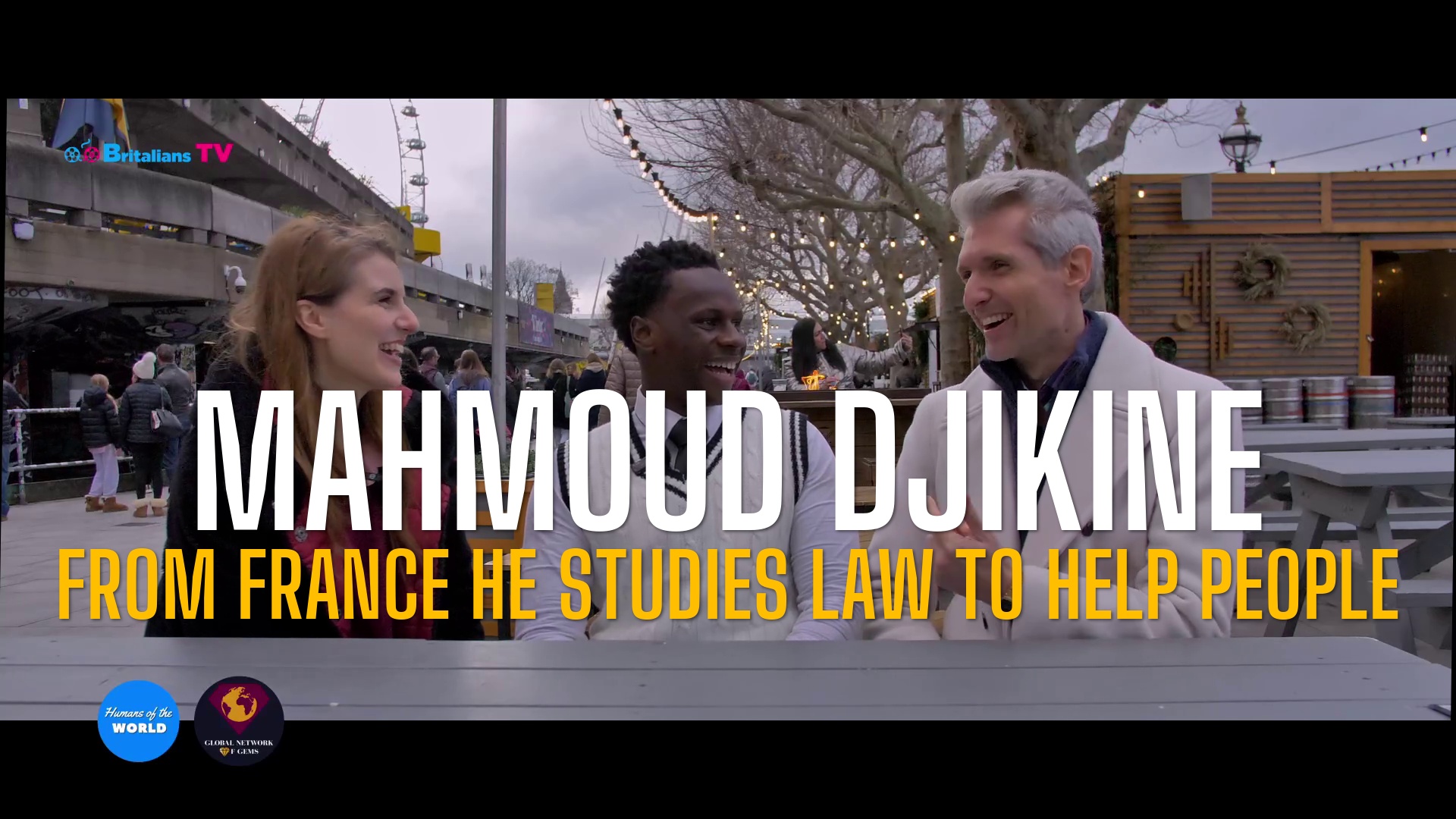
The conversation began casually at a weekend pop-up event, guided by Marco’s steady questioning. But what started as an impromptu chat with 23-year-old Mahamoud quickly revealed something far more structural to me. He is a recent law graduate pursuing a master’s in financial law, working part-time in corporate investment banking, and preparing to travel across Asia and Africa. Yet, while discussing high-stakes professional ambitions, he balanced it with Malian heritage, traditional remedies like shea butter (“shitulu” in Bambara), and a deliberate pause on romantic relationships to prioritize mental clarity. His story is not an isolated anecdote; it is a snapshot of a broader demographic shift reshaping London’s diaspora communities, redefining career trajectories for young professionals, and challenging outdated assumptions about success, belonging, and well-being.
Carrying Tradition Forward in a Multicultural City
Mahamoud’s daily use of shea butter as a grounding ritual was far more than personal preference; it reflects a conscious preservation of West African cultural knowledge among second-generation diaspora residents. Born and raised in Paris to Malian parents, he speaks Bambara and Soninke. When I asked him about his background, he explained: “When you get to know the history of people, you understand what they do for a living, what their values are.” He pointed out that information is power.
I see this cultural continuity developing in London as well. Community life here is incredibly rich. Anthropologists and community organizers note that many second-generation residents aren’t simply assimilating at the expense of their roots; they are actively constructing identity by adapting traditions to fit modern urban life. This process is hard work, requiring sustained investment in heritage programs if it’s to survive beyond cultural festivals.
The Rise of Hybrid Careers and the Cost of Ambition
Mahamoud’s academic pivot from general law to financial institutions mirrors a structural shift we see throughout Europe. Financial law has evolved into a critical intersection of regulatory compliance, fintech innovation, cross-border investment, and sustainable finance—it’s messy, brilliant work.
But I also observed the hidden cost in this hyper-ambition. When discussing his choice to step back from dating to focus on self-development, Mahamoud shared a gut feeling that resonated deeply with me: “If you’re not good with yourself, you can’t show up properly anywhere else.” This sentiment echoed what I know from NHS mental health services—a powerful realization that traditional milestones are being delayed, not abandoned, as young adults prioritize psychological stability.
Travel as Research, Not Retreat
For Mahamoud, travel isn’t leisure—it’s methodology itself. His plans to journey across Asia and Africa align with what sociologists term “root-seeking mobility.” He doesn’t just want to visit; he wants to map his personal identity onto global networks and test cultural competencies for future roles that span continents.
Yet I was struck by the systemic barriers that still exist. When we talked about visas, flight costs, and professional access, it became clear that “ambition” is often gated by privilege. Marco helped me frame this: “We’re seeing a generation that refuses to choose between ambition and belonging,” but without affordable travel grants or clearer return pathways, that refusal remains a costly privilege.
Why This Matters Beyond the Conversation
Mahamoud’s interview served as a powerful lens for me, exposing the complex web of pressures young adults face: academic debt, competitive job markets, cultural expectations, and this quiet mental health crisis among professionals under 30. The themes—cultural preservation, career hybridisation, intentional mobility—are not isolated trends; they are interconnected responses to a rapidly changing socio-economic environment in London.
The evidence I collected suggests that understanding their impact requires listening from many sides: business owners funding return migration, counselors tracking student mental health, and community elders adapting traditional knowledge for younger generations. The story is clear: identity and ambition are no longer separate tracks; they are being woven together.
Written by
Erica Melargo
Episodes in this Article
London ► S12 E20
Mahmoud Djikine From France he studies law to help people
In this Article
Global Network of Gems
Featuring

Marco Biagioli
Actor and TV Presenter


Erica Melargo
Actor and TV Presenter
In this Article
News

10 December 2021
“I sent my Résumé to NASA every week for a year”: Meet Aerospace Engineer Thomas Ivanco
2026-03-25 08:41:20
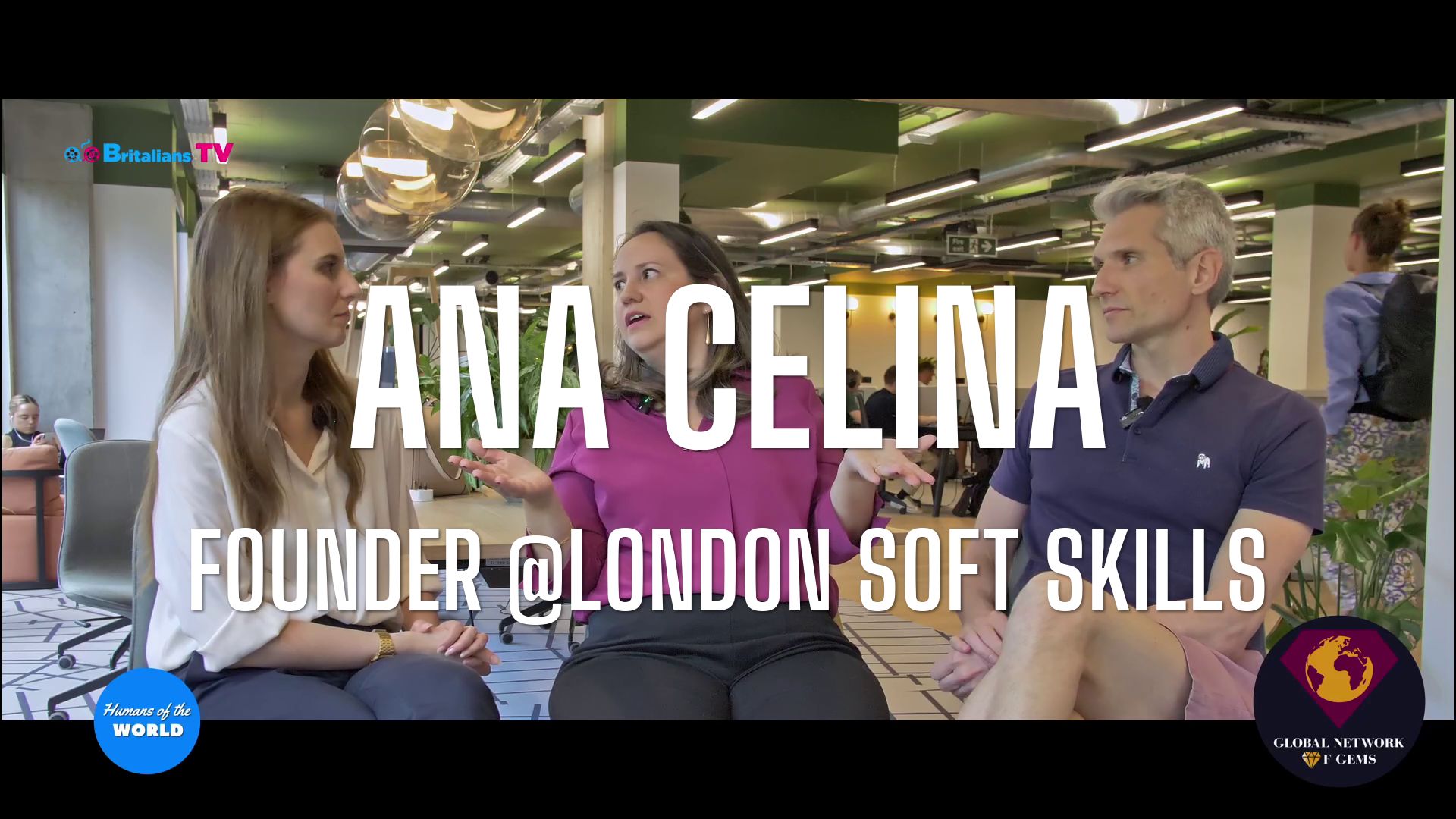
“Life Is Too Short to Be Shy”: How One Brazilian Immigrant’s Journey From Cancer Survivor to Soft Skills Entrepreneur Reveals London’s Hidden Loneliness Epidemic

21 February 2022
“You cannot change the past, but only you can change the future!”

16 January 2025
“I Wanted to Help People”: Deputy Supervisor Rick Marsh of Tuxedo, the Gem of New York, on Humans of the World with Marco and Erica

30 November 2021
“Il cielo è il limite e tu sai che puoi avere / Quello che vuoi, sii quello che vuoi”.

31 August 2021
“SIAMO TUTTI SULLA STESSA MUCCA”

30 July 2021
“Tu non puoi cambiare il passato, ma tu solo puoi cambiare il futuro!” Primo piano di aspirazioni e obiettivi del fotografo Arnt Eriksen.

2 July 2021
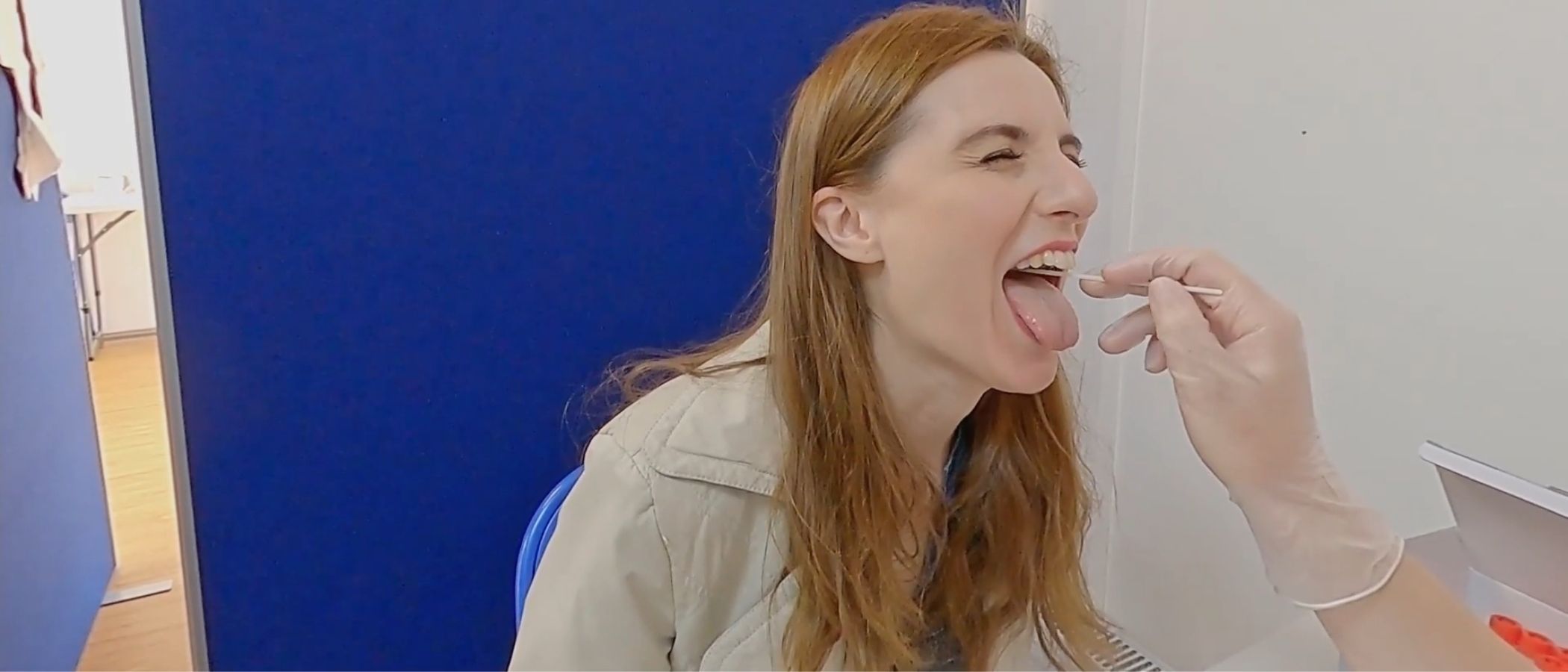
#TRUELIFE: Marco and Erica spotted at DAM Health Covid-19 Test centre
2 July 2021
#TRUELIFE: Marco ed Erica di nuovo in viaggio!

24 December 2021
61 Motivi per Trasferirti all’Estero
24 December 2021
61 Reasons Why You Should Move Abroad

8 November 2021
A Britalian in Rome: the actress Jane Alexander

16 July 2021
A caccia di aurore boreali
29 January 2023
A Chocolate Extravaganza In Vermont- Humans of the World third Season Flies Across The Pond
15 November 2024
A Conversation with Dr. Markus Naser: The Unlikely Mayor of Rothenburg ob der Tauber
15 November 2024
A Day in the Life of Oliver Gußmann: Rothenburg's Tourist Pastor
15 November 2024
A Glimpse into the Life of Laura: Embracing Family, Theater, and Cultural Diversity

23 July 2021
A journey into the atelier of Cipessa Prin

6 July 2022
A Miniature Artist Explains to Marco and Erica How to Put Things into Perspective

17 January 2022
A talent in… Nashville!