
How a West London Student Is Connecting Bangladesh’s Textile Heritage With London’s Fashion Future
2025-11-05 05:02 - By Marco Biagioli
How a West London Student Is Connecting Bangladesh’s Textile Heritage With London’s Fashion Future
By Marco Biagioli
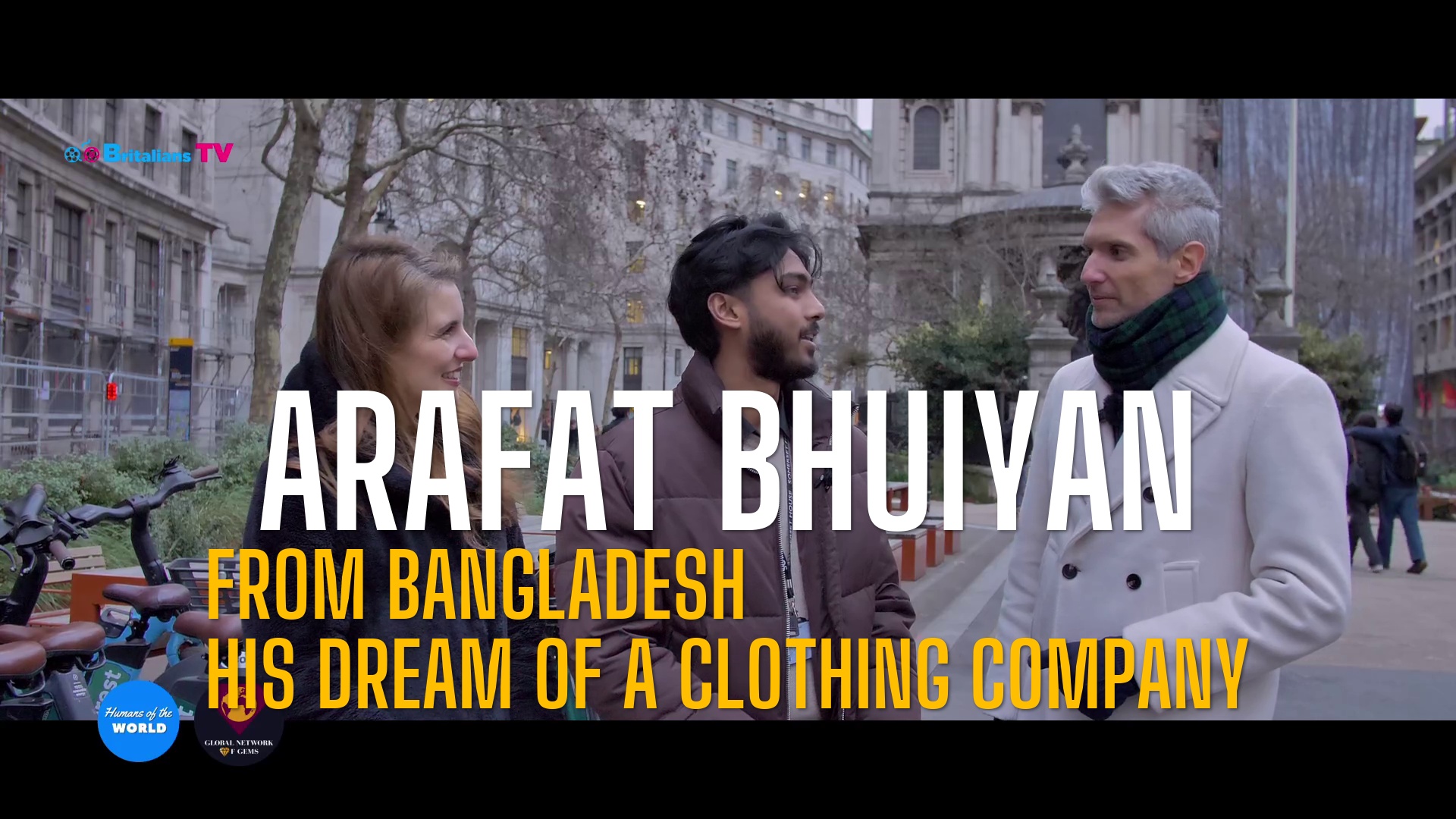
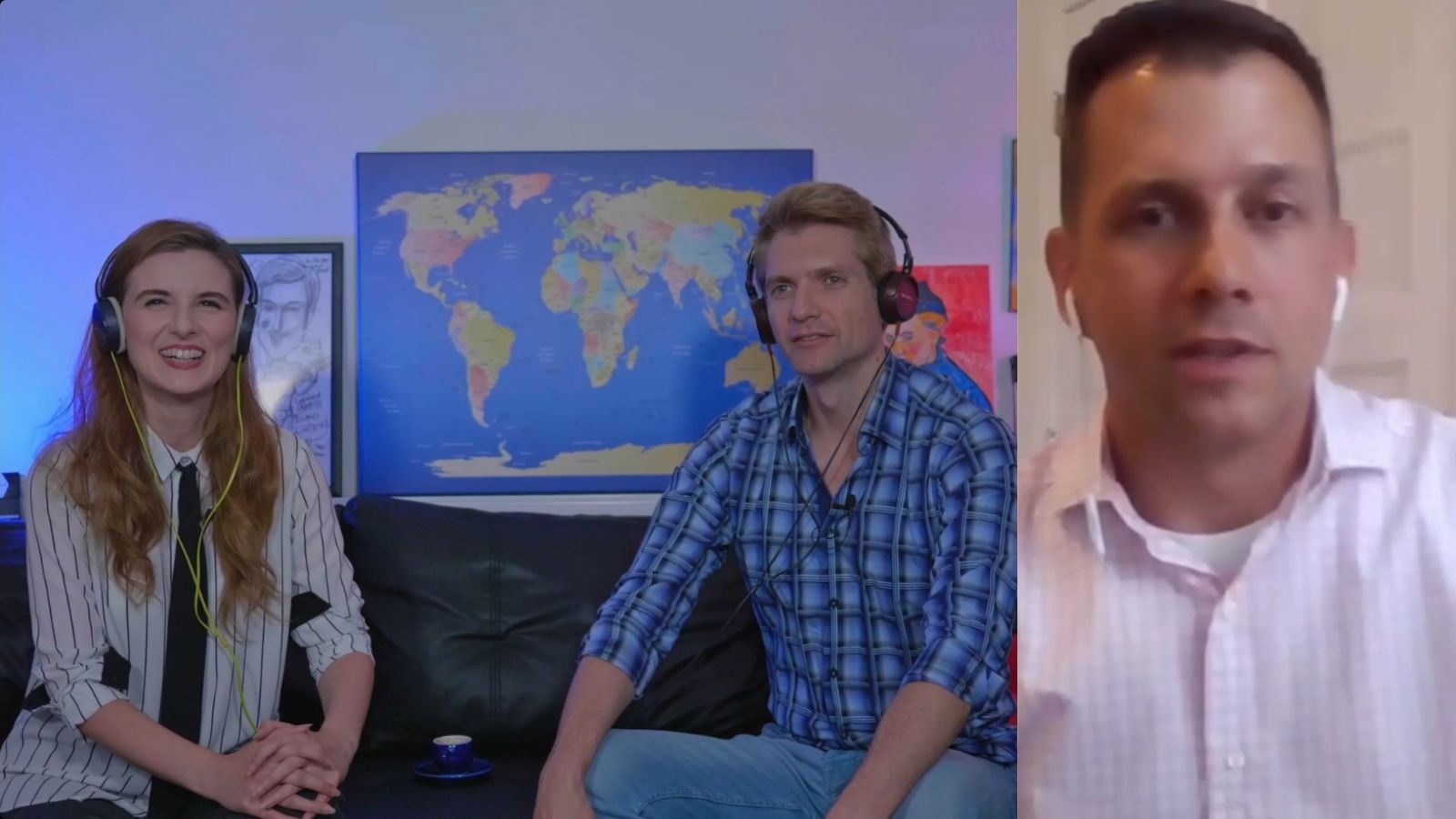
When Erica Melargo and I interviewed Arafat Buyan, what began as a conversation about his family business developed into a wider exploration of global supply chains, family enterprise and the often unseen contributions of diaspora communities to London’s economy.
This West London student is exploring how his family’s textile heritage in Bangladesh connects with London’s fashion industry, revealing the continuing influence of migration, craftsmanship and cultural exchange on the capital’s creative economy.
The Unseen Thread in Fast Fashion
Arafat Buyan’s family doesn’t design the jackets we see on high street rails; they don’t stitch the labels or run the advertising campaigns. What they sell is something far less visible but equally essential: raw, uncustomised fabric, often shipped in plain white rolls to massive fashion houses like Zara and H&M.
When Buyan explained that his family’s Bangladesh-based textile enterprise produces base materials that multinational retailers later cut, dye, and brand, it opened a much wider lens onto one of the least discussed layers of global fashion: the raw material trade feeding fast fashion’s rapid production cycles. This reflects a highly segmented global supply chain where design, dyeing, cutting, and branding are deliberately separated to maximise efficiency for end retailers.
Consumer awareness around fast fashion’s environmental and labour impacts has increased scrutiny of these supply chains. Buyan’s account provides insight into how local students and small family businesses are positioning themselves at the intersection of heritage trade and modern global markets.
How West London Education Is Supporting the Next Generation of Entrepreneurs
Buyan is currently completing an International Business degree at Brunel University London, located in Uxbridge, West London. When Erica asked why he chose that field, his answer pointed beyond simple academics: “I want to go global. I’m studying international business so I can literally work out the middleman and boost my father’s business.”
His trajectory reflects a wider pattern among South Asian students across the UK, where education increasingly acts as a pathway into entrepreneurship, international trade and family business development. University networks consistently show that postgraduate commerce students are treating degrees not just as qualifications, but as logistical blueprints for cross-border trade. Things like Brunel’s programme emphasising supply chain management and global market entry strategies align perfectly with Buyan’s goal of bypassing traditional intermediaries to establish direct B2B partnerships.
I noted during the interview how many students in similar positions carry dual expectations; they are studying hard for academic success in the UK, while also carrying commercial responsibility back home. This unique duality places immense pressure on young entrepreneurs who must navigate British regulatory environments, international trade protocols, and shifting consumer ethics while maintaining ties to their overseas family operations.
London’s Role in Global Textile Networks
I made sure to cross-reference Buyan’s account with public trade data, university entrepreneurship reports, and supply chain transparency initiatives because I believe personal narratives must always be backed up by evidence. Public records show that UK-Bangladesh trade in textiles and clothing remains heavily asymmetrical: Britain imports far more finished garments than it exports raw materials or design services. However, SMEs linked to diaspora communities are increasingly exploring direct export routes, digital procurement and international partnerships to reduce dependence on traditional intermediaries.
Moreover, transparency is no longer optional—it’s mandatory. The EU’s corporate sustainability directives require retailers to map and disclose supply chain risks all the way back to raw material sourcing. And I learned that even in the UK, campaigns are pushing major high street chains to publish detailed supplier lists and factory audit results. Buyan’s observation that white fabric is often more expensive because it bypasses dyeing processes highlights a wider industry shift: undyed, lower-impact textiles are increasingly being considered not only cost-effective options, but also sustainability-compliant baseline materials.
Challenges, Adaptations, and Community Impact
Scaling a textile business internationally isn’t merely about removing middlemen; it requires navigating complex issues like phytosanitary regulations, currency fluctuation risks, intellectual property protections, and the intense consumer demand for verifiable sustainability. For family-run mills, these hurdles are compounded by generational knowledge gaps themselves.
West London’s South Asian business communities have formed support ecosystems – using university incubators and local chambers of commerce. These organizations provide mentorship in export documentation and digital marketing and are particularly significant in areas such as West London, where universities, small businesses and migrant communities increasingly overlap. For young entrepreneurs like Buyan, local access to education, mentoring and professional networks can determine whether family businesses remain dependent on traditional supply chains or develop new international opportunities.
The challenges are real: post-Brexit trade frictions, rising shipping costs, and intense competition from major manufacturing hubs in Southeast Asia. But so are our adaptive responses. Digital procurement platforms now allow small fabric suppliers to list their specifications directly to international buyers. I think certifications like GOTS (Global Organic Textile Standard) prove that smaller mills can meet global standards without sacrificing margins.
Conversations That Weave Larger Stories
Britalians TV begins with conversations because, for us, human experience is the most reliable compass for locating what a community actually cares about. An interview on camera may only last twenty minutes, but the issues it surfaces—supply chain transparency, diaspora entrepreneurship, ethical trade, and cultural adaptation—stretch across borders and generations.
Arafat Buyan’s story isn’t just about one student or one family’s textile rolls; it’s about how West London acts as a tangible bridge between historic trade networks and modern commercial realities for all our readers. It makes me realize that the fabric in our wardrobes ay originate from workers whose children are currently studying supply chain logistics right here in Uxbridge.
For Arafat Buyan, the journey between Bangladesh and London is not only about textiles; it reflects how multicultural communities contribute to West London’s economic life through education, entrepreneurship and international connections. His story shows how local residents can act as bridges between heritage industries abroad and London’s evolving creative, educational and commercial landscape.
Written by
Marco Biagioli
Episodes in this Article
London ► S12 E21
Arafat Bhuiyan From Bangladesh his dream of a clothing company
In this Article
Global Network of Gems
Featuring

Marco Biagioli
Actor and TV Presenter


Erica Melargo
Actor and TV Presenter
In this Article



News
10 December 2021
“I sent my Résumé to NASA every week for a year”: Meet Aerospace Engineer Thomas Ivanco
2026-03-25 08:41:20
“Life Is Too Short to Be Shy”: How One Brazilian Immigrant’s Journey From Cancer Survivor to Soft Skills Entrepreneur Reveals London’s Hidden Loneliness Epidemic

21 February 2022
“You cannot change the past, but only you can change the future!”
16 January 2025
“I Wanted to Help People”: Deputy Supervisor Rick Marsh of Tuxedo, the Gem of New York, on Humans of the World with Marco and Erica

30 November 2021
“Il cielo è il limite e tu sai che puoi avere / Quello che vuoi, sii quello che vuoi”.

31 August 2021
“SIAMO TUTTI SULLA STESSA MUCCA”

30 July 2021
“Tu non puoi cambiare il passato, ma tu solo puoi cambiare il futuro!” Primo piano di aspirazioni e obiettivi del fotografo Arnt Eriksen.

2 July 2021
#TRUELIFE: Marco and Erica spotted at DAM Health Covid-19 Test centre

2 July 2021
#TRUELIFE: Marco ed Erica di nuovo in viaggio!

24 December 2021
61 Motivi per Trasferirti all’Estero
24 December 2021
61 Reasons Why You Should Move Abroad

8 November 2021
A Britalian in Rome: the actress Jane Alexander

16 July 2021
A caccia di aurore boreali
29 January 2023
A Chocolate Extravaganza In Vermont- Humans of the World third Season Flies Across The Pond

15 November 2024
A Conversation with Dr. Markus Naser: The Unlikely Mayor of Rothenburg ob der Tauber
15 November 2024
A Day in the Life of Oliver Gußmann: Rothenburg's Tourist Pastor

15 November 2024
A Glimpse into the Life of Laura: Embracing Family, Theater, and Cultural Diversity

23 July 2021
A journey into the atelier of Cipessa Prin

6 July 2022
A Miniature Artist Explains to Marco and Erica How to Put Things into Perspective

17 January 2022
A talent in… Nashville!