
London’s Creative Workers Face Rising Costs, Unstable Careers, and a Fight to Keep the City’s Culture Alive
2025-09-16 11:35 - By Erica Melargo
London’s Creative Workers Face Rising Costs, Unstable Careers, and a Fight to Keep the City’s Culture Alive
By Erica Melargo
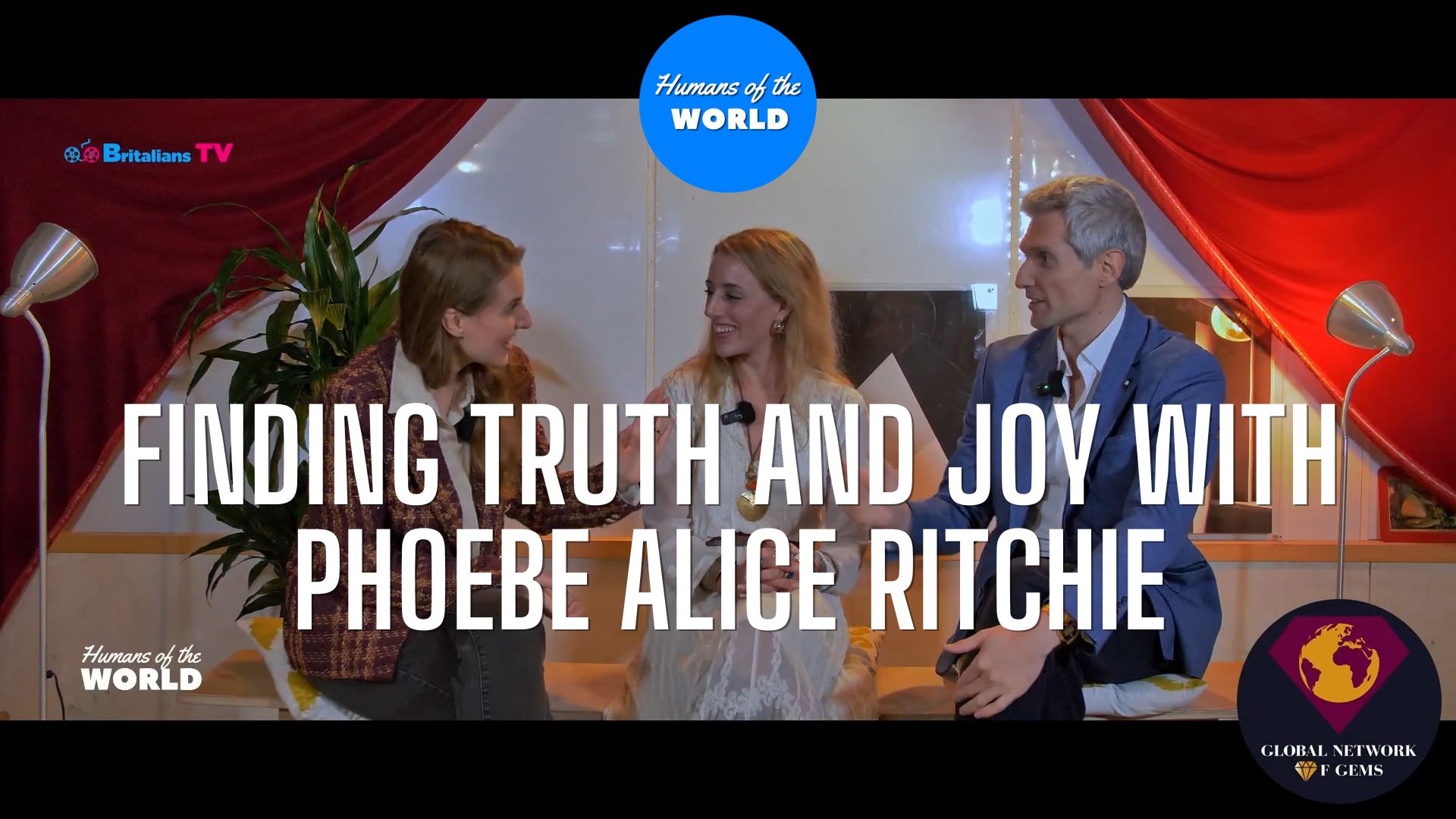
This interview started with laughter, oversized boots, and a half-forgotten cowboy hat left on a train.
London’s creative workers are facing a growing challenge: how to sustain artistic careers in a city where housing costs, freelance insecurity and changing cultural spaces are reshaping who can afford to remain. Through actor Phoebe Alice Ritchie’s experience, Britalians TV explores the wider pressures affecting the capital’s creative communities.
At Britalians TV, conversations are often the starting point for exploring wider community issues. When Phoebe’s personal narrative is placed against sector data and housing trends, it allows us to map out a clearer picture of how London’s arts ecosystem is adapting – or struggling to survive – in an era marked by economic fragmentation and dramatic cultural transformation.
London’s Diverse Creative Workforce and the Role of Cultural Identity
Phoebe’s background read like a vivid map of late-stage globalization for me: born in the UK, raised between Bahrain and Kenya, with Italian, German, and Maltese ancestry threading through her family history. “I grew up running barefoot on rocky roads,” she said, “There’s a rhythm there. You learn to be flexible.”
Her experience reflects a wider reality for many London creatives whose personal histories span multiple countries, cultures and communities. The city’s high ethnic diversity demands constant negotiation for its artistic output. Phoebe shared how acting gave her the permission to unlock different parts of herself. But I also think we need to recognize that this process requires psychological navigation, something our freelance-heavy arts economy often fails to account for structurally.
Cultural hybridity is no longer just a family footnote; it’s become London’s creative default setting – and yet artists are forced to self-fund their own integration, turning personal heritage into professional currency while bearing the visible weight of representation.
The Bare-Bones Reality: Hustle, Instability, and the Psychology of Performance
When I asked about the “superpowers” of acting, Phoebe didn’t mention fame or flexibility. She talked instead about truth-telling and raw adrenaline in live performance. But getting there is tough – she explained that she operates on what she calls a “bare bones” budget: relying on low-stakes Sunday filming sessions, free coffee, and the communal energy found in grassroots venues like Spiritual Bar.
This reflects a hard reality I’ve seen documented everywhere. The Arts Council England’s data shows that over 70% of artists work freelance – with inconsistent income, limited pension access, and minimal mental health coverage. This is an economic condition, not just a romantic trope for us to ignore. But Phoebe argued there is power in the instability. “If you’re too comfortable, the hustle goes,” she told Marco. It suggests that we need this necessary shock to keep our curiosity alive for us all.
However, I am concerned that mere curiosity doesn’t pay rent. Inner London housing pressures are increasingly influencing where creative workers can live, rehearse and build professional networks. For many freelancers, the challenge is not only maintaining an artistic career but remaining connected to the communities and cultural spaces that support that work, raising urgent questions about who can afford to actually stay in the city that shaped them professionally and culturally.
The psychological toll is equally measurable – that emotional whiplash between project work can be overwhelming for a career artist.
Mental Health and Survival Strategies in London’s Freelance Economy
Amidst the chaos of auditions, rejections, and last-minute call sheets, Phoebe kept pointing to an unexpected anchor: mindfulness. She joked about throwing her phone in the ocean, but seriously, she credited yoga with giving her “space, breath, connectedness,” which I found so powerful for us to hear. Her Kenyan upbringing emphasized living fully in the moment – a sharp contrast to what she calls Western society’s constant future-orientation.
This tension between striving and presence is echoing across our entire creative sector. Movement practices and peer support circles are increasingly becoming professional infrastructure; they are no longer just optional wellness trends. Phoebe’s siblings, spread across different corners of the globe, have formed ‘tribes,’ and their mantra of “Tomorrow is another day” hit us hard because in an industry that commodifies overwork, giving up control to the present is actually operational survival for us.
Community as Counter-Narrative
What emerged from Phoebe’s dialogue with Marco and I isn’t just a career retrospective; it feels like a blueprint for how art functions as social glue. When she mentioned leaving her hat in a taxi “so you have an excuse to call back,” I saw we were tapping into something much older than professional networking: the fundamental human need for connection. Local, independent venues increasingly act as important meeting points for artists, audiences and communities, particularly as larger cultural institutions face financial pressures and changing funding environments. These places aren’t just performance spaces; they feel like pressure valves for a city grappling with isolation and cultural homogenization.
“You have to keep connecting with good people,” Phoebe insisted. “The ones who bring joy, but who are also honest with you.” That honesty is what turns a conversation into real journalism, and a stage into a truly shared experience – it’s why audiences keep showing up for us. When I reflected on those Sunday filming sessions that also felt like community dinners for struggling artists, it became undeniably clear: our art survives not because of budgets, but because of belonging to each other.
Why This Story Matters
The evidence is consistent across property reports and sector surveys: without affordable rehearsal spaces, mental health parity, and funding models that value artistic development alongside commercial output, the very makers who give London its unique pulse risk having to leave it behind. But we can see a powerful counter-narrative in every sold-out double bill, every late-night folk set, every conversation starting with boots and ending with truth.
Art isn’t just about what we see under lights; it’s about how we stay present when everything else is rushing forward. It’s how we process our hybrid identities, manage economic uncertainty, and rebuild trust in fractured neighborhoods for all of us. Phoebe Ritchie’s journey – global roots, bare-bones gigs, yoga as armor, family as compass – is not unique to her. It’s a reflection of a creative class that refuses to be silenced by instability, even when it feels like they have no other choice but to hustle.
Written by
Erica Melargo
Episodes in this Article
London ► S12 E8
Finding Truth and Joy with Phoebe Alice-Ricci
In this Article
Global Network of Gems
Featuring
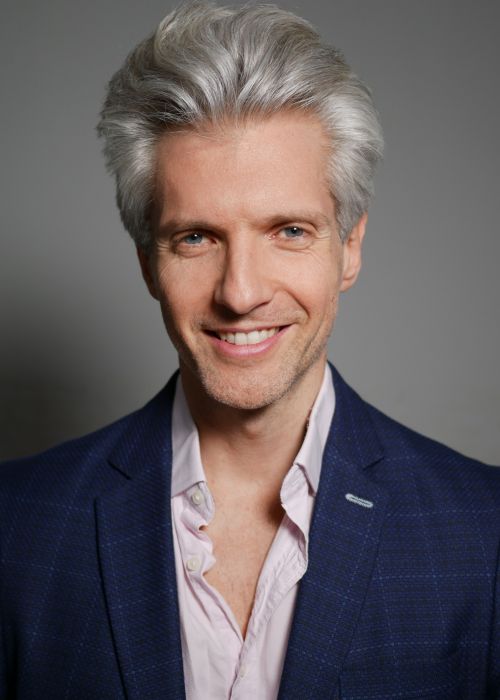

Marco Biagioli
Actor and TV Presenter
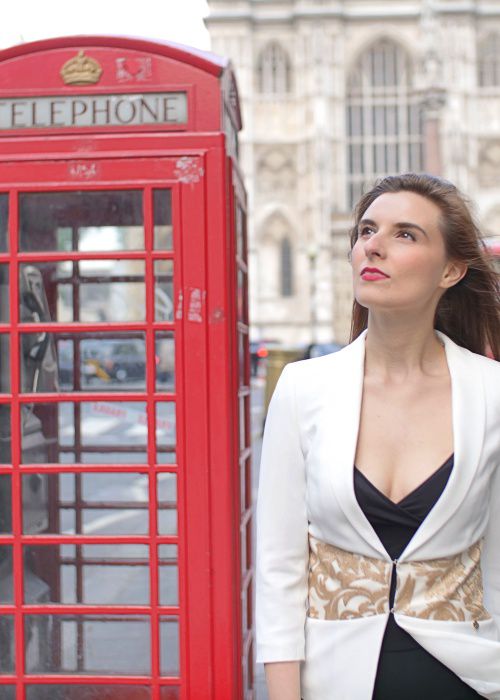

Erica Melargo
Actor and TV Presenter
In this Article
News
10 December 2021
“I sent my Résumé to NASA every week for a year”: Meet Aerospace Engineer Thomas Ivanco
2026-03-25 08:41:20
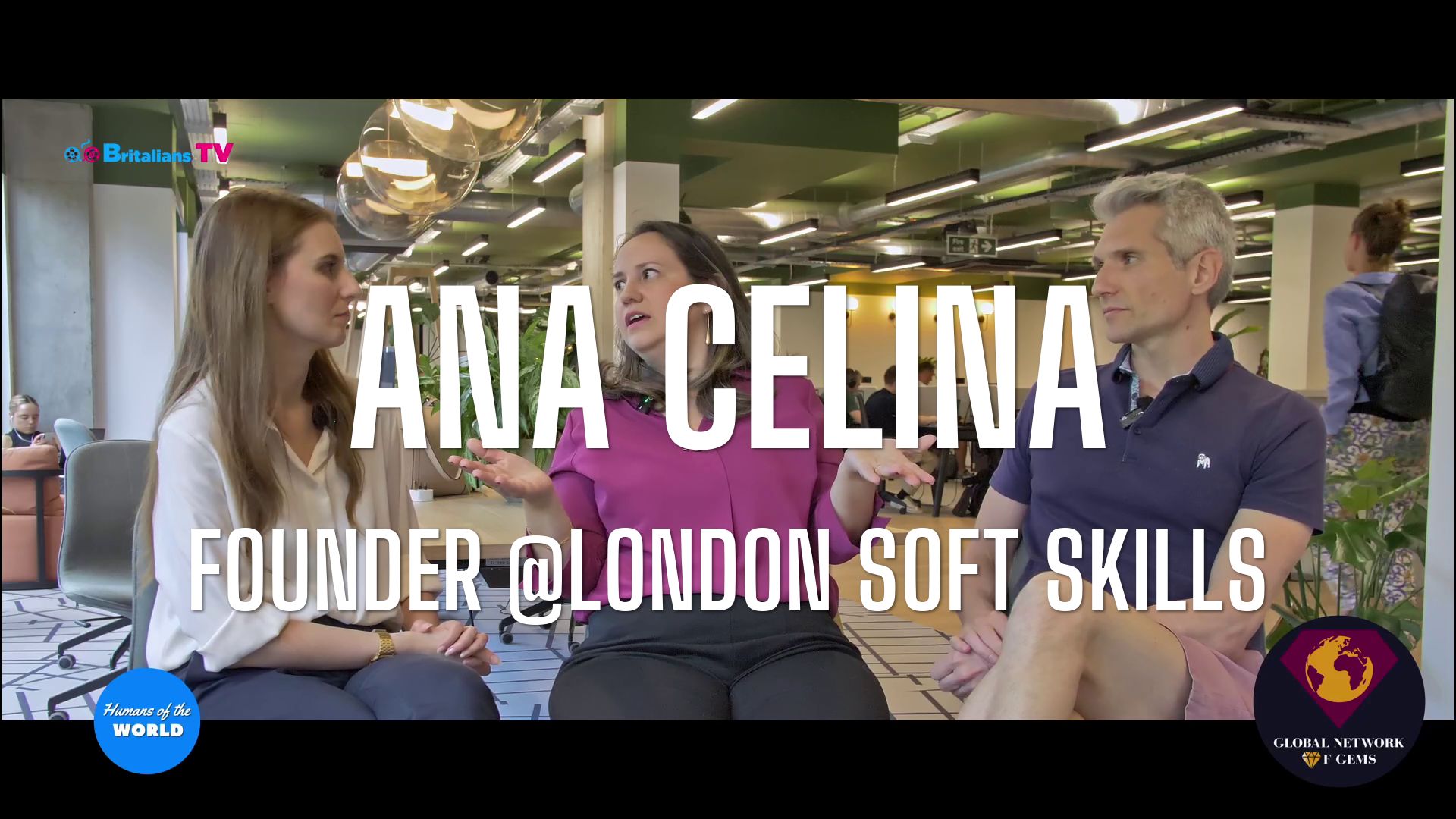
“Life Is Too Short to Be Shy”: How One Brazilian Immigrant’s Journey From Cancer Survivor to Soft Skills Entrepreneur Reveals London’s Hidden Loneliness Epidemic
21 February 2022
“You cannot change the past, but only you can change the future!”
16 January 2025
“I Wanted to Help People”: Deputy Supervisor Rick Marsh of Tuxedo, the Gem of New York, on Humans of the World with Marco and Erica
30 November 2021
“Il cielo è il limite e tu sai che puoi avere / Quello che vuoi, sii quello che vuoi”.
31 August 2021
“SIAMO TUTTI SULLA STESSA MUCCA”
30 July 2021
“Tu non puoi cambiare il passato, ma tu solo puoi cambiare il futuro!” Primo piano di aspirazioni e obiettivi del fotografo Arnt Eriksen.
2 July 2021
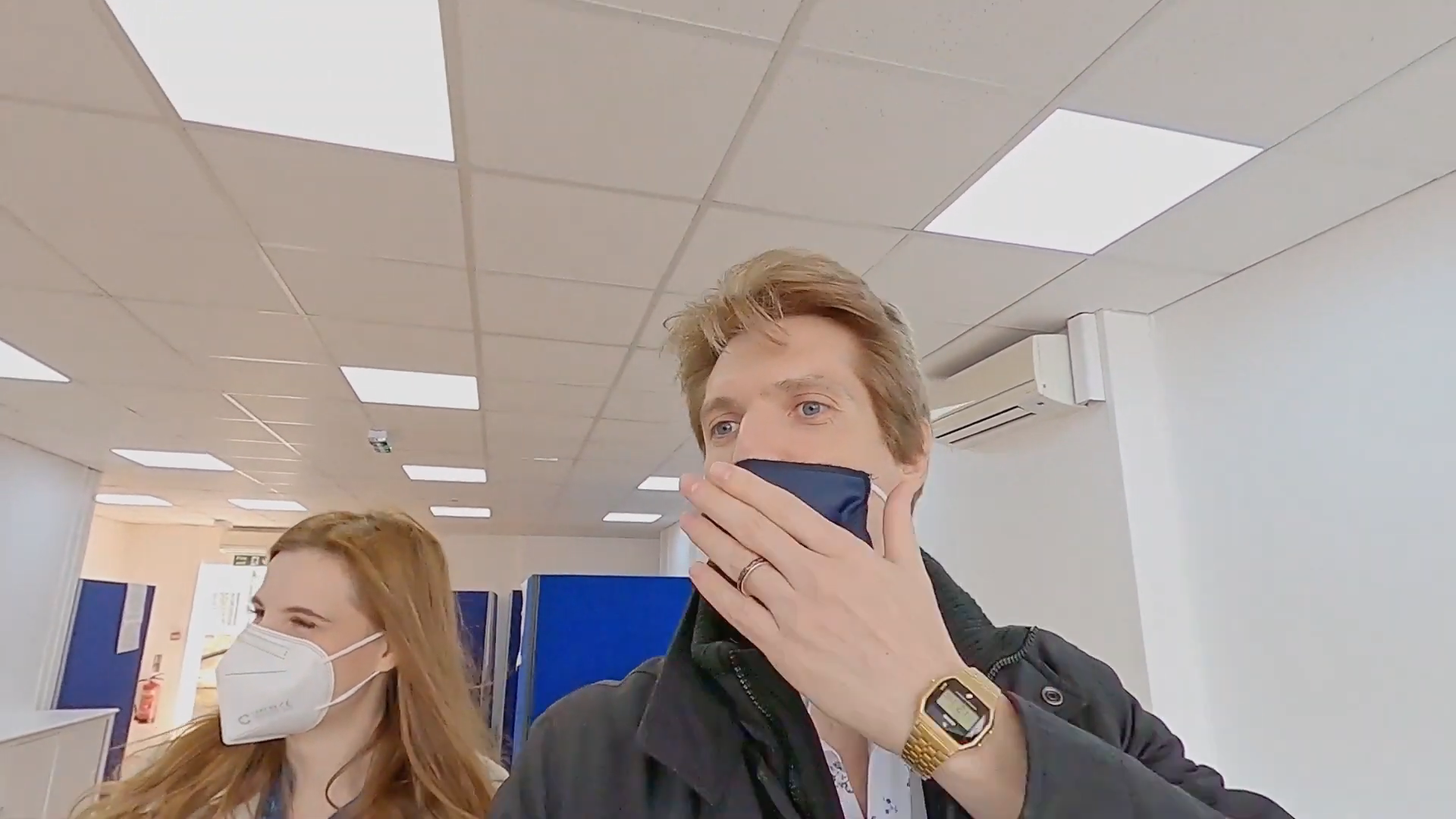
#TRUELIFE: Marco and Erica spotted at DAM Health Covid-19 Test centre
2 July 2021
#TRUELIFE: Marco ed Erica di nuovo in viaggio!

24 December 2021
61 Motivi per Trasferirti all’Estero
24 December 2021
61 Reasons Why You Should Move Abroad
8 November 2021
A Britalian in Rome: the actress Jane Alexander
16 July 2021
A caccia di aurore boreali
29 January 2023
A Chocolate Extravaganza In Vermont- Humans of the World third Season Flies Across The Pond
15 November 2024
A Conversation with Dr. Markus Naser: The Unlikely Mayor of Rothenburg ob der Tauber
15 November 2024
A Day in the Life of Oliver Gußmann: Rothenburg's Tourist Pastor
15 November 2024
A Glimpse into the Life of Laura: Embracing Family, Theater, and Cultural Diversity
23 July 2021
A journey into the atelier of Cipessa Prin
6 July 2022
A Miniature Artist Explains to Marco and Erica How to Put Things into Perspective
17 January 2022
A talent in… Nashville!