
Beyond the Lights: How London’s Christmas Traditions Bring Communities Together Across Cultures
2026-03-12 12:40 - By Erica Melargo
Beyond the Lights: How London’s Christmas Traditions Bring Communities Together Across Cultures
By Erica Melargo (Britalians TV)
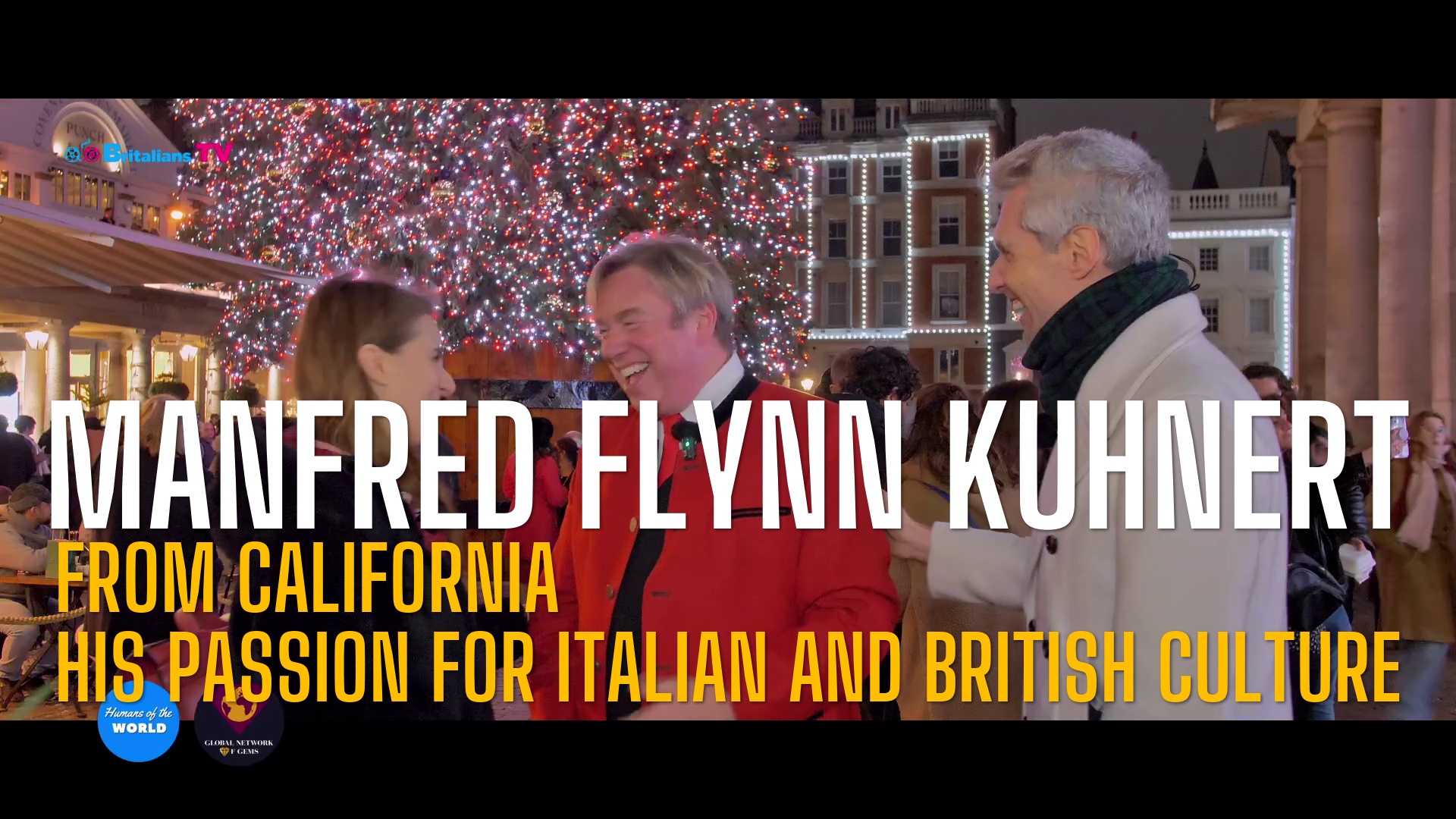
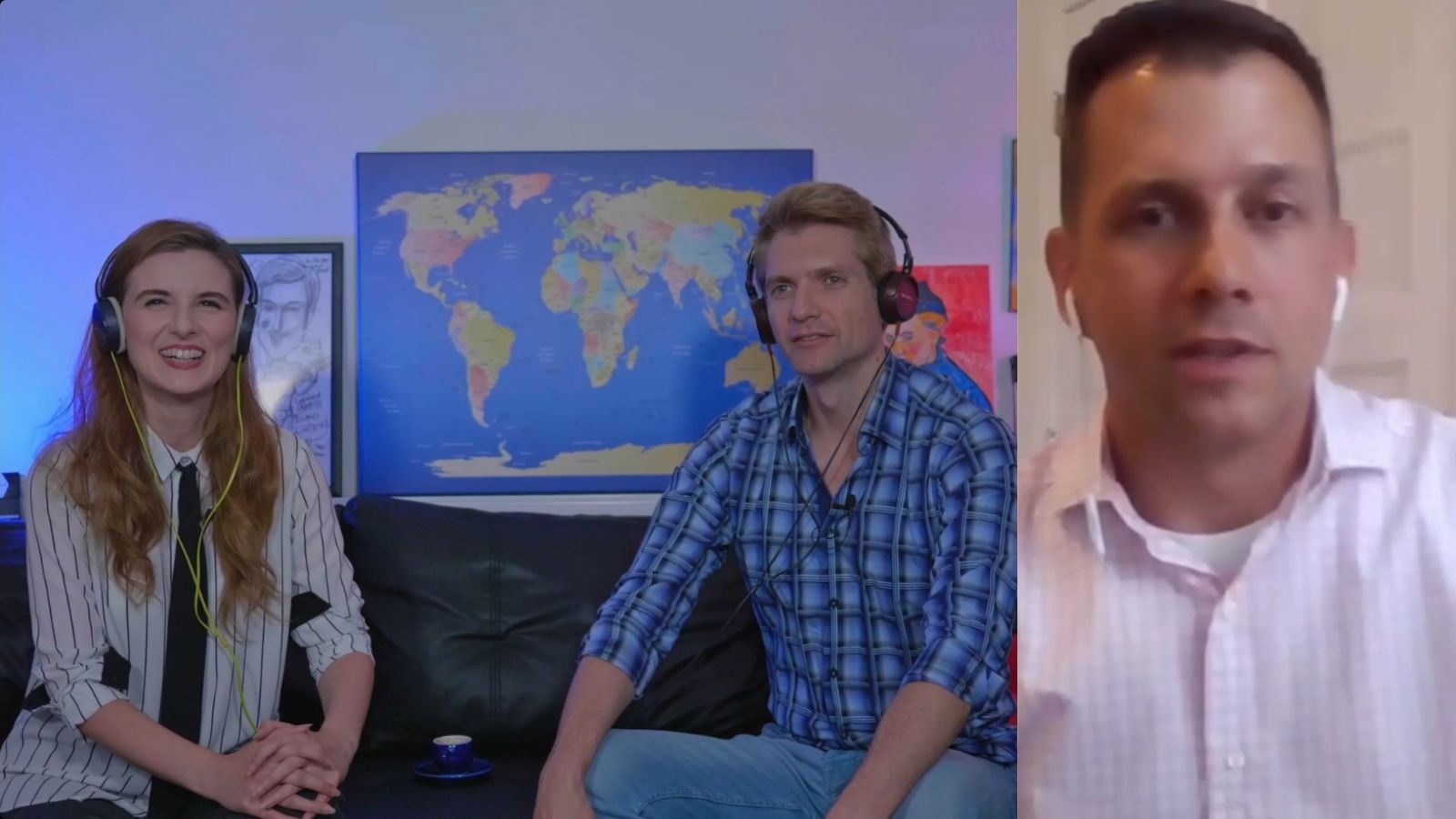
When Marco and I set up our cameras in Covent Garden this December, we expected another seasonal portrait. Instead, we captured a mirror reflecting something far more structural: how London’s historic streets, theatrical legacy, and transnational residents are quietly negotiating a new kind of cultural belonging. In our conversation with Manfred—a California-born director, former Harvard lecturer, and longtime advocate for Italian heritage—the conversation quickly moved beyond personal nostalgia to touch on preservation, identity, and the everyday work that holds multicultural communities together. What follows is my investigation into what one man’s story reveals about a city learning to live across borders.
The Architecture of Belonging
Manfred’s reflection on walking down Piccadilly and seeing his late mother in the shop windows isn’t merely sentimental. It points, I realized, to a demographic and psychological reality shaping modern London, where residents increasingly navigate multiple cultural identities: layered identity is no longer an exception—it is infrastructure itself. The numbers are striking, according to the official UK Census data over 360,000 Italians now live in the UK, with significant concentrations across Greater London. But the statistics only tell half the story. As urban sociologists frequently suggest when talking about places like London, the city functions as a “contact zone”—a space where third-generation migrants, dual-citizen professionals, and transnational creatives navigate multiple cultural allegiances without needing to ask permission to belong.
When Marco asked Manfred about his split life between Los Angeles and London, his response—“we all become one”—echoed that broader civic shift for me. Neighborhoods from Kensington to Brixton now routinely host bilingual community boards, pan-European grocers, and cross-cultural social clubs. Yet, this fluidity faces friction. Rising commercial rents, visa policy complexities, and post-pandemic service cuts have made it harder for long-term residents and newcomers alike to anchor themselves in the same postcodes. What I learned through municipal planners is that inclusive urban design must now account for “portable homeliness”: spaces that allow people to carry memories forward without being priced out of the very streets that hold them. Manfred’s personal experience crystallized this negotiation between roots and routes, and tradition and transit.
Stages Without Borders
If Piccadilly represents memory, then the theater stage represents continuity in our city—a powerful metaphor I think about often. Manfred’s decade on the board of Save Venice Inc.—a verified non-profit dedicated to protecting Italy’s art and architecture—highlighted how cultural preservation operates as a form of informal diplomacy. His mention of ongoing conservation work at Venice’s Church of San Sebastiano mirrors broader EU-UK heritage initiatives that have faced funding reallocations since Brexit.
The conversation also highlighted how cultural professionals are adapting through new collaborations and partnerships: independent networks stepping up. Manfred’s current television project, collaborating on history with a Milan-based producer for BBC audiences, showed me how creative professionals are bypassing institutional bottlenecks through transnational partnerships. It’s clear that volunteer labor sustains much of this work—heritage trust coordinators, translators, set archivists. My follow-up about his shift from directing to television writing underscored a quiet but vital trend: preservation today happens as much in editing bays and production meetings as it does on historic stages. And the challenge remains scaling these grassroots efforts into sustainable frameworks that don’t rely solely on individual passion or private philanthropy.
The Rituals That Hold a City Together
Manfred’s flippant description of London at Christmas as “Harry Potter land” might sound purely romantic, but I learned it performs measurable civic work. Data confirms that London’s seasonal markets and light displays generated nearly £1.2 billion in visitor spending last year. But what resonates most deeply is the concept of “ritual pacing.” In a city that never sleeps, Christmas provides a shared rhythm—a moment when we can all pause together.
Street festivals, charity drives, and pop-up performances act as low-barrier social hubs, which researchers call “bridging capital.” When Manfred noted that “every little village has their own stories,” he was talking about London’s decentralized festive culture. Shoreditch’s independent artisan stalls, Camden’s multilingual carol services, and East End community pantries all adapt seasonal traditions to local demographics. These events nurture belonging precisely because they are participatory rather than prescribed. They face pressures—from energy costs limiting hours to planning restrictions on permanent infrastructure—but the core value remains: residents don’t value Christmas for its spectacle alone; they value it as a predictable pause in urban life, a moment when strangers share warmth, food, and memory without transactional expectation.
What This All Means for London
Manfred’s laughter, his summers on Ischia, his cycling club in Rome, and his devotion to the theatrical world all point to a central truth that I feel strongly about: belonging isn’t fixed. It is negotiated daily through art, ritual, and the willingness to carry multiple homelands in one life. Our interview didn’t just capture Manfred’s story; it uncovered the scaffolding that holds multicultural cities together. From heritage restoration struggles to seasonal market resilience, community building happens quietly—often off-camera.
For Londoners and visitors alike, I believe the question isn’t whether you are “fully” British, Italian, or American. The question is how we design policies and fund cultural continuity to allow these layered identities to thrive without fragmenting.
For London’s residents, belonging is often created through these everyday encounters: a shared celebration, a familiar street, a cultural tradition passed between generations. Manfred’s story reflects a wider reality of the capital itself, a city where different histories meet, and where communities continue to create new ways of belonging together.
Written by
Erica Melargo
Episodes in this Article
London ► S12 E24
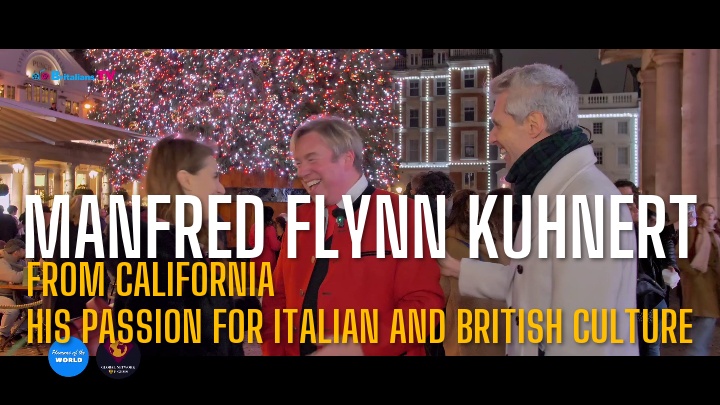
Manfred Flynn Kuhnert From California His passion for Italian and British Culture
In this Article
Global Network of Gems
Featuring
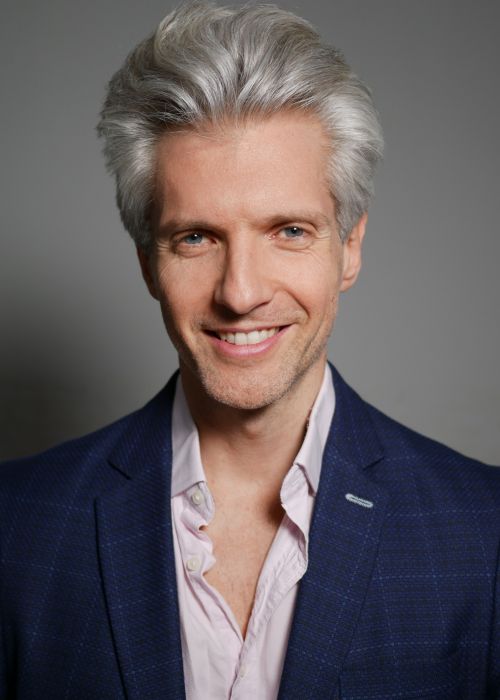

Marco Biagioli
Actor and TV Presenter
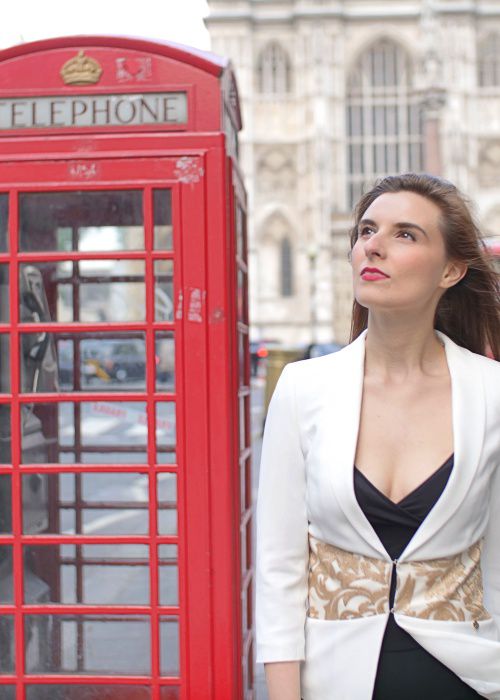

Erica Melargo
Actor and TV Presenter
In this Article
News
10 December 2021
“I sent my Résumé to NASA every week for a year”: Meet Aerospace Engineer Thomas Ivanco
2026-03-25 08:41:20
“Life Is Too Short to Be Shy”: How One Brazilian Immigrant’s Journey From Cancer Survivor to Soft Skills Entrepreneur Reveals London’s Hidden Loneliness Epidemic
21 February 2022
“You cannot change the past, but only you can change the future!”
16 January 2025
“I Wanted to Help People”: Deputy Supervisor Rick Marsh of Tuxedo, the Gem of New York, on Humans of the World with Marco and Erica
30 November 2021
“Il cielo è il limite e tu sai che puoi avere / Quello che vuoi, sii quello che vuoi”.

31 August 2021
“SIAMO TUTTI SULLA STESSA MUCCA”
30 July 2021
“Tu non puoi cambiare il passato, ma tu solo puoi cambiare il futuro!” Primo piano di aspirazioni e obiettivi del fotografo Arnt Eriksen.
2 July 2021
#TRUELIFE: Marco and Erica spotted at DAM Health Covid-19 Test centre
2 July 2021
#TRUELIFE: Marco ed Erica di nuovo in viaggio!
24 December 2021
61 Motivi per Trasferirti all’Estero
24 December 2021
61 Reasons Why You Should Move Abroad
8 November 2021
A Britalian in Rome: the actress Jane Alexander
16 July 2021
A caccia di aurore boreali
29 January 2023
A Chocolate Extravaganza In Vermont- Humans of the World third Season Flies Across The Pond
15 November 2024
A Conversation with Dr. Markus Naser: The Unlikely Mayor of Rothenburg ob der Tauber
15 November 2024
A Day in the Life of Oliver Gußmann: Rothenburg's Tourist Pastor
15 November 2024
A Glimpse into the Life of Laura: Embracing Family, Theater, and Cultural Diversity
23 July 2021
A journey into the atelier of Cipessa Prin

6 July 2022
A Miniature Artist Explains to Marco and Erica How to Put Things into Perspective
17 January 2022
A talent in… Nashville!