
Beyond the Screen: How One Creative’s Journey Reflects a Broader Shift in London’s Arts Community
2025-07-12 01:02 - By Marco Biagioli
Beyond the Screen: How One Creative’s Journey Reflects a Broader Shift in London’s Arts Community
By Marco Biagioli
When pandemic disruption reshaped traditional production routes, former television producer Agnieszka Rosińska turned to writing, creating stories centred on identity, communication, and the pressures of modern life. Her experience reflects wider changes across London’s creative sector, where professionals are redefining success, adapting to uncertainty, and building new forms of collaboration.
At Britalians TV, conversations are the starting point of our reporting. Interviews provide the human experience behind wider social changes, allowing us to explore how individual stories connect with broader questions around work, identity, and community.
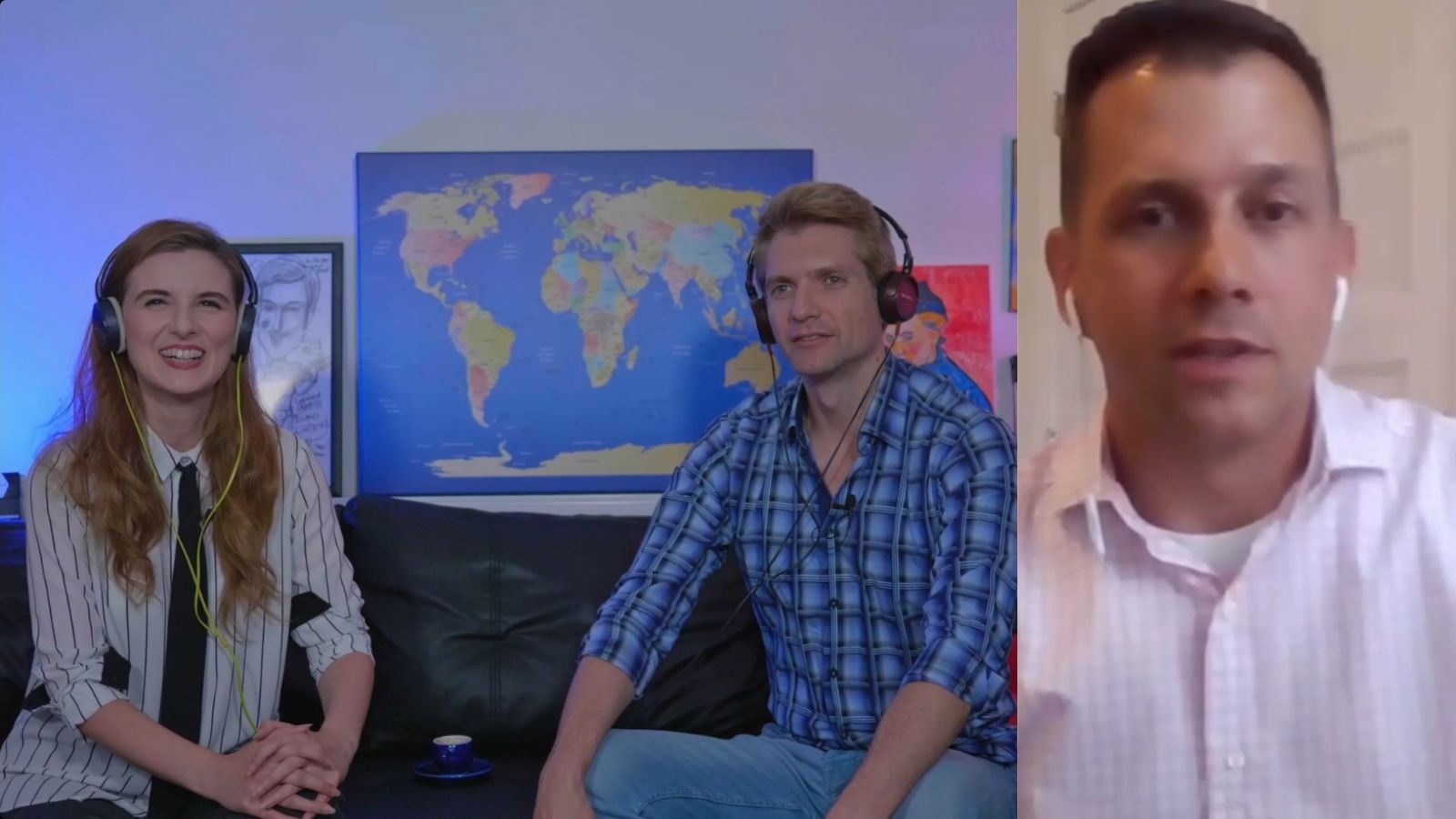
A recent conversation with Polish-born media professional Agnieszka Rosińska revealed a much wider story. Over several decades, Rosińska worked across London’s television and film industries as a producer, director, editor, and scriptwriter. When the pandemic disrupted traditional production pathways, she turned to writing, developing a character-driven science fiction series that has grown to more than 4,000 pages. Her experience highlights three connected issues affecting many creative professionals today: changing models of creative work, the experience of diaspora identity, and the growing rejection of traditional ideas about success and life planning.
The Creative Pivot and the Post-Pandemic Gig Economy: How London’s Creative Work Is Changing
Rosińska’s move from screen production to writing reflects wider changes across the creative industries. Between 2020 and 2023, the UK film and television sector experienced major disruption, with postponed productions, funding uncertainty, and changing audience models affecting many freelance professionals. As traditional pathways became less predictable, some creatives began exploring alternative formats, including independent publishing, digital projects, and cross-disciplinary work.
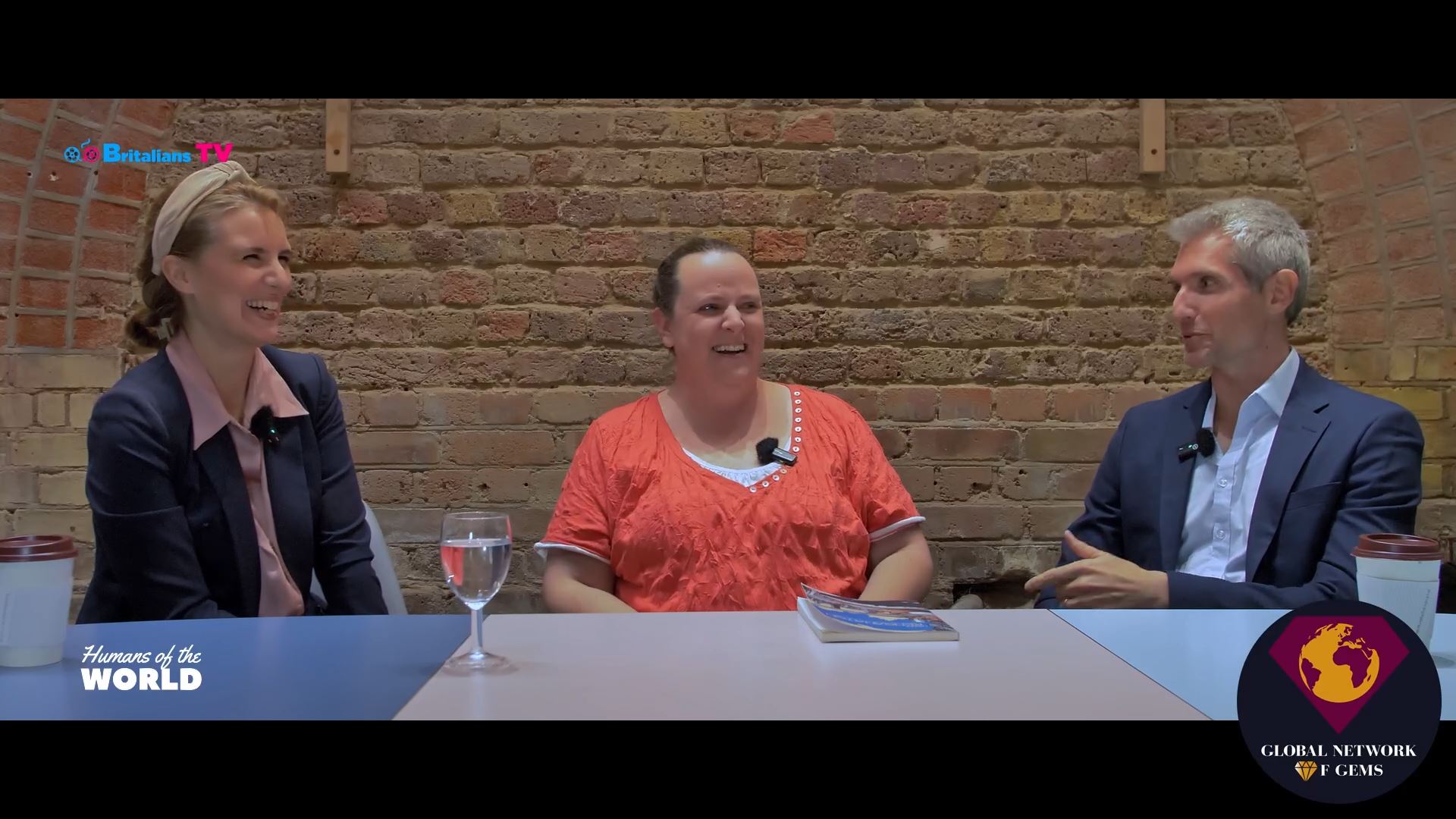
“I was asking myself what to do next,” Rosińska told Erica and me during our interview. “I still wanted to create, but the old machinery had stopped.” What followed was an intensive, self-directed writing period – often 16 to 18 hours a day – that culminated in her first published volume, Obake Ranganathan: Where Do I Go From Here?
Independent publishing platforms, direct-to-audience distribution, and hybrid career models have created new opportunities for creators to reach audiences without relying entirely on traditional institutions. However, these changes also transfer more responsibility onto individuals, who must manage production, promotion, finances, and long-term career sustainability. Across London, creative organisations are responding through shared workspaces, funding initiatives, and support networks designed to help freelancers navigate an increasingly flexible but uncertain industry.
Language, Belonging, and the Migrant Creative Experience
Born in Poland and shaped by the country’s post-communist transition, Rosińska arrived in London with an established creative career but had to navigate the complexities of working across languages and cultures. In our conversation, she described English not as a barrier, but as a “common thread” that allows people from different backgrounds to connect.
“You don’t need perfect grammar,” she explained. “You just need to try.” Her experience reflects the reality of many migrant professionals in London, where workplaces and creative communities regularly operate across multiple languages and cultural references. For diaspora creatives, storytelling can become a way of preserving memory, building relationships, and contributing to the cultural life of the city.
Rosińska’s book deliberately focuses on imperfect, everyday characters navigating uncertainty without a traditional “save the world” mission. Its first-person structure, shaped by small decisions, shifting relationships, and moments of doubt, reflects how many Londoners experience the city itself: not simply as a location, but as a place that continually shapes identity. When Erica asked whether the project was therapeutic, Rosińska’s response suggested something broader: creative work is not only a personal expression, but also a record of the communities and experiences surrounding us.
Rejecting the Five-Year Plan: How London Creatives Are Redefining Success
One of the most striking themes that emerged during our conversation was Rosińska’s resistance to rigid ideas of life planning. When Erica and I asked where she imagined herself in five years, she replied: “I’m happy right here, right now. If you expect me to guess what kind of person I’ll be tomorrow, you’re slightly delusional.
Her perspective reflects a wider cultural conversation around changing expectations of adulthood. For many younger generations, traditional milestones – education, home ownership, career progression, and family formation – are being reconsidered in the context of economic uncertainty, housing pressures, and changing social values. Increasingly, discussions around wellbeing focus not only on achievement, but also on sustainability, flexibility, and the ability to define success on personal terms.
Rosińska’s protagonist reflects this rejection of fixed endpoints. He navigates uncertainty, friendship, and self-doubt without relying on a predetermined roadmap. The story suggests that meaning is not always found in reaching a final destination, but in the ongoing process of adapting, questioning assumptions, and allowing space for change. In a culture often shaped by constant productivity and comparison, her perspective offers a quieter alternative: growth can come through attention, curiosity, and acceptance of uncertainty.
Collaboration as Community Infrastructure
One example of London’s evolving creative ecosystem can be seen in how Rosińska built her project. Rather than working alone, she developed it through collaboration: her husband, a musician and graphic designer, contributed cover art, original soundtracks for each “bookisode,” and helped shape the project’s wider visual identity. The project’s online presence functions not only as promotion, but also as an evolving creative space where audiences can engage with music, worldbuilding, and the development process itself.
The book’s Instagram presence (@obake.writer) functions less as promotional machinery and more like a shared creative journal – releasing music snippets, worldbuilding notes, and audience interactions in real time.
Rosińska’s approach reflects a wider pattern within London’s arts community, where independent creators increasingly combine skills, share audiences, and work across traditional boundaries.
Collaboration is becoming not only an artistic choice, but also a practical response to rising costs and changing funding structures. However, many grassroots creative networks remain vulnerable, particularly when support systems are designed around traditional categories rather than the increasingly hybrid ways artists now work.
Erica and I noted during our conversation that this interdependence is what gives local storytelling its resilience. When art moves beyond individual achievement and becomes a shared network of skills, relationships, and support, it begins to function as a form of community care: distributed, adaptive, and deeply human.
Why This Matters Beyond One Story
Agnieszka Rosińska’s journey from television production to independent authorship is compelling in its own right. But her experience also highlights wider questions facing London’s creative communities: How do artists adapt when traditional industries change? How do migrant professionals build belonging across languages and cultures? And how can cities support creative ecosystems that depend increasingly on collaboration, flexibility, and shared resources rather than competition?
Answering these questions requires more than personal reflection. It requires perspectives from arts organisations, researchers, policymakers, and creators themselves who experience these changes daily. It also requires continued examination of whether independent creative models offer genuine sustainability or simply transfer more responsibility onto individuals. For a city as diverse as London, the challenge is finding ways to better support, protect, and recognise the gradual work of cultural renewal.
When Erica Melargo and I conclude an interview at Britalians TV, the conversation rarely ends with the final question. The next step is connecting one personal experience to the wider patterns shaping our communities. Rosińska’s transition from screen to page demonstrates how creativity can adapt when circumstances change. More importantly, her story reminds us that communities are built by people continuously reshaping their identities, skills, and ambitions – even when the path ahead remains uncertain.
In a changing city like London, resilience is not about having a perfect plan; it is about having the imagination and support to create new possibilities.
Written by
Marco Biagioli
Episodes in this Article
London ► S12 E4
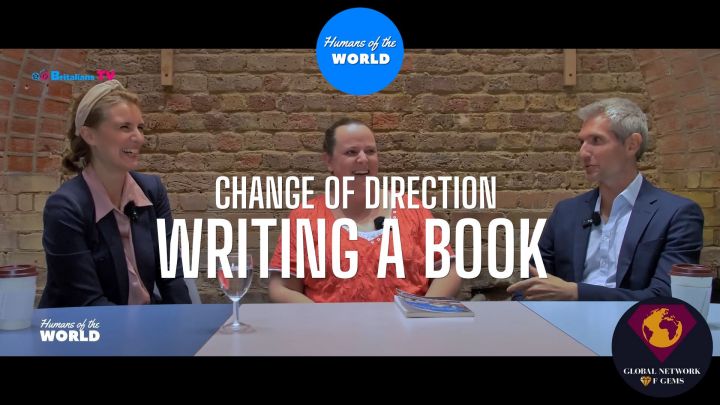
Change of Direction: Writing a Book
In this Article
Global Network of Gems
Featuring

Marco Biagioli
Actor and TV Presenter

Erica Melargo
Actor and TV Presenter
In this Article
News
10 December 2021
“I sent my Résumé to NASA every week for a year”: Meet Aerospace Engineer Thomas Ivanco
2026-03-25 08:41:20
“Life Is Too Short to Be Shy”: How One Brazilian Immigrant’s Journey From Cancer Survivor to Soft Skills Entrepreneur Reveals London’s Hidden Loneliness Epidemic
21 February 2022
“You cannot change the past, but only you can change the future!”
16 January 2025
“I Wanted to Help People”: Deputy Supervisor Rick Marsh of Tuxedo, the Gem of New York, on Humans of the World with Marco and Erica
30 November 2021
“Il cielo è il limite e tu sai che puoi avere / Quello che vuoi, sii quello che vuoi”.
31 August 2021
“SIAMO TUTTI SULLA STESSA MUCCA”
30 July 2021
“Tu non puoi cambiare il passato, ma tu solo puoi cambiare il futuro!” Primo piano di aspirazioni e obiettivi del fotografo Arnt Eriksen.
2 July 2021
#TRUELIFE: Marco and Erica spotted at DAM Health Covid-19 Test centre
2 July 2021
#TRUELIFE: Marco ed Erica di nuovo in viaggio!
24 December 2021
61 Motivi per Trasferirti all’Estero
24 December 2021
61 Reasons Why You Should Move Abroad
8 November 2021
A Britalian in Rome: the actress Jane Alexander
16 July 2021
A caccia di aurore boreali
29 January 2023
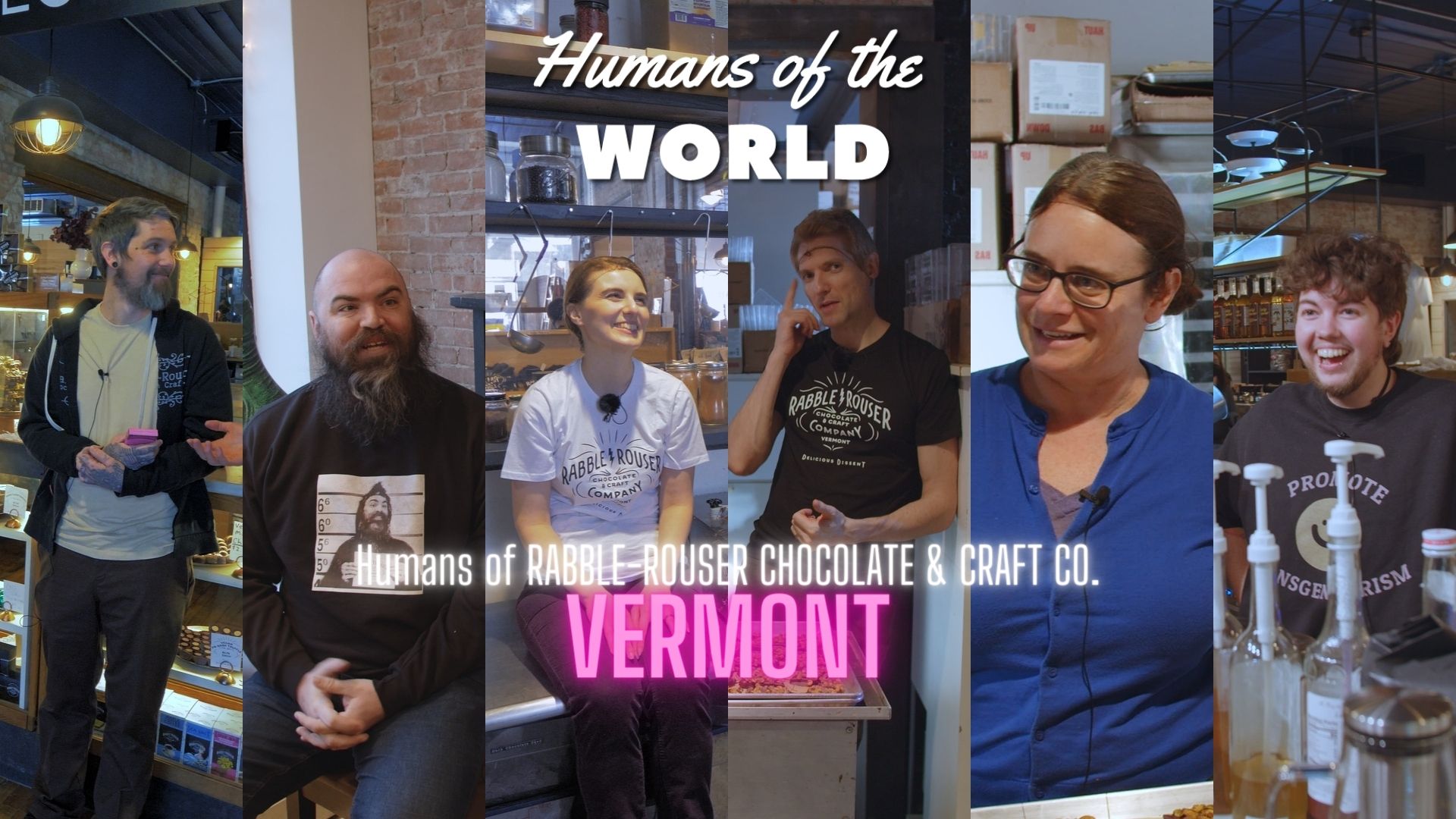
A Chocolate Extravaganza In Vermont- Humans of the World third Season Flies Across The Pond
15 November 2024
A Conversation with Dr. Markus Naser: The Unlikely Mayor of Rothenburg ob der Tauber
15 November 2024
A Day in the Life of Oliver Gußmann: Rothenburg's Tourist Pastor
15 November 2024
A Glimpse into the Life of Laura: Embracing Family, Theater, and Cultural Diversity
23 July 2021
A journey into the atelier of Cipessa Prin
6 July 2022
A Miniature Artist Explains to Marco and Erica How to Put Things into Perspective
17 January 2022
A talent in… Nashville!