
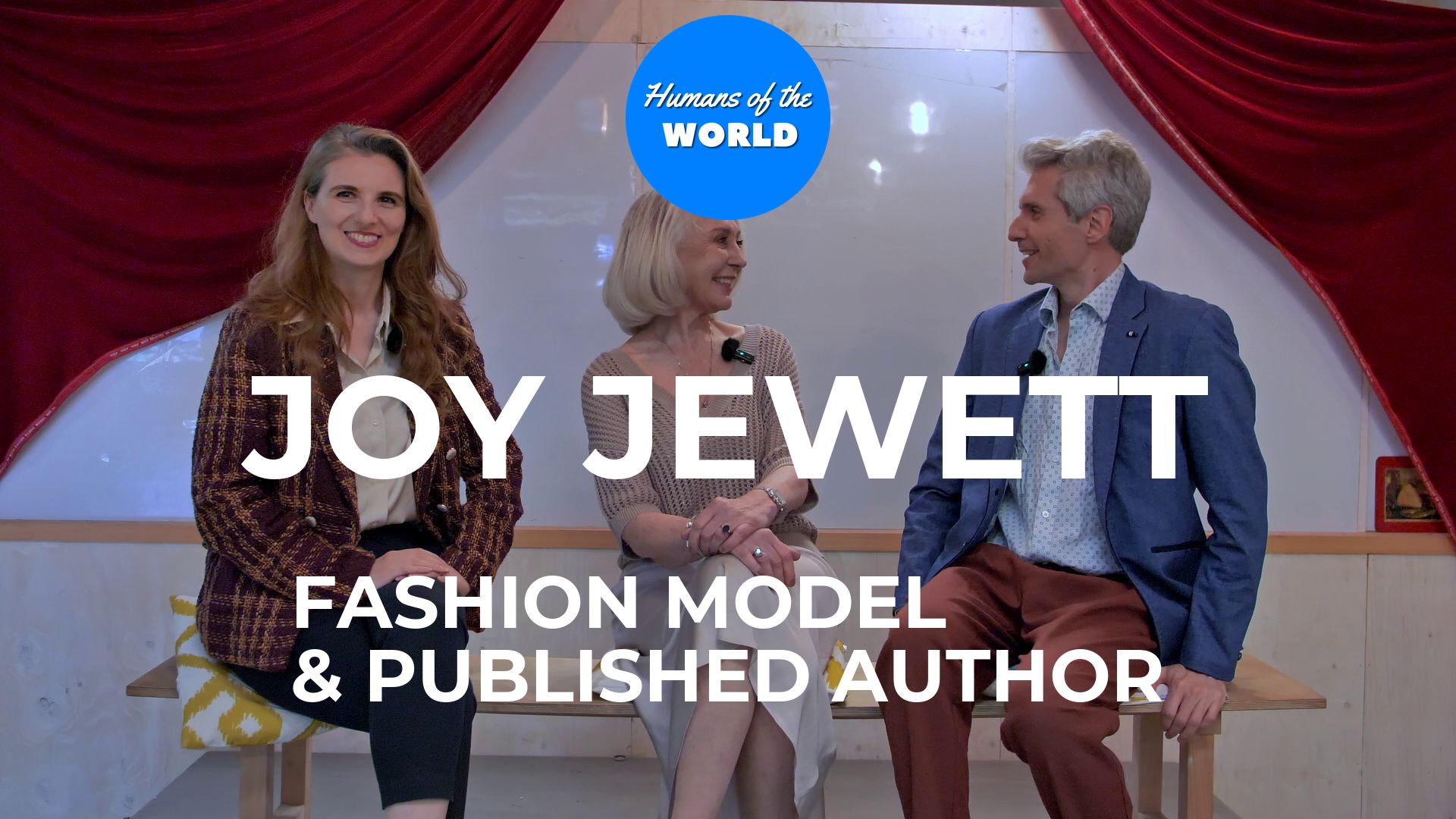
At 73, a London Model Returns to the Runway – and Challenges Fashion’s Age Gap
2025-10-03 10:35 - By Erica Melargo
At 73, a London Model Returns to the Runway – and Challenges Fashion’s Age Gap
By Erica Melargo
Joy Jewett’s return to modelling after decades away raises wider questions about age, work, isolation and creative opportunities for older Londoners.
At 73, Joy Jewett is back on the runway. Her return to modelling after a working life that included finance, caring responsibilities and periods of personal loss offers more than a story about fashion: it raises questions about how London accommodates older people who want to remain economically, socially and creatively active.
Our conversation began as a personal interview, but Joy’s experience opened a wider discussion about age in the creative industries, the financial realities facing freelancers and the role that community networks can play in helping people reinvent themselves later in life.
A London Life Shaped by Many Places
Joy’s background read like a vivid map of late-stage globalization for me: born in the UK, with family roots traversing from Bahrain and Kenya and carrying Italian, German, and Maltese ancestry through her history. “I grew up running barefoot on rocky roads,” she said; it was a powerful image for us to see.
Joy’s family history also reflects London’s long-standing role as a city shaped by migration. Her British identity sits alongside family connections to Bahrain, Kenya, Italy, Germany and Malta, illustrating how multiple cultural histories can become part of a single London life.
For London’s creative industries, that diversity is both a strength and a reality that artists increasingly navigate in their professional lives.
The Bare-Bones Reality: Hustle, Instability, and the Psychology of Performance
When I asked about the “superpowers” of acting, Phoebe wouldn’t talk about fame; she talks about truth-telling. But on a deeper level, Joy’s story showed me something uncomfortable: the reality behind the glamour is often a “bare bones” budget—relying on low-stakes filming sessions and grassroots support from venues like those in Camden’s Etc. Theatre.
This financial precarity rings painfully true for so many London creatives I know. Industry reports confirm that most freelancers operate with inconsistent income and minimal pension access. Joy’s strong stance against unpaid labor was a powerful statement: “If you ask me to walk for you, you’re paying me.” It highlighted the critical need for systemic structural support—for transparent contracts and boundaries that treat creative work as paid service, not charity or portfolio building for us all.
The Invisible Architecture of Later Life: Loss, Isolation, and Finding Purpose
Beneath the glamour of the runway is an even more universal narrative: reinvention after loss. Joy’s journey wasn’t linear—she worked in finance, became a caregiver, endured devastating grief, and then found new purpose through poetry.
This arc mirrors data from Age UK and Mind, confirming that social isolation and depression among Londoners over 60 is a major public health crisis for me to consider. The city’s demographic shift means we must finally view this late-life reinvention not as decline, but as an essential recalibration of identity.
Paying It Forward: Mentorship as Community Infrastructure
Despite her sharp critique of industry exploitation, Joy remains committed to lifting others up. She actively encourages mentorship for young photographers and models, embodying a shift from individual hustle to collective resilience. Her success lies in not just advocating fiercely for better standards but also modeling strategic generosity—like waiving fees when it’s necessary to foster potential.
The Conversation Continues
Joy Jewett’s conversation has done so much more than celebrate a comeback story. It has acted as a mirror, reflecting a wider societal struggle across our entire community for me: the economic and emotional right to reinvent ourselves at any stage of life. Her return forces us to confront the fact that creative value—and self-worth—is not designed with an expiry date attached.
When we wrap up our discussions here, the core message always remains the same for my readers. The true story is always deeper than the interview itself. It’s about recognizing that purpose isn’t age-bound; it’s something cultivated every single day. And in a city like London, with all its histories and diverse struggles, having people who constantly remind us of our own potential—no matter how old or inexperienced they feel—is nothing less than a vital act of community survival.
Written by
Erica Melargo
Episodes in this Article

London ► S12 E11
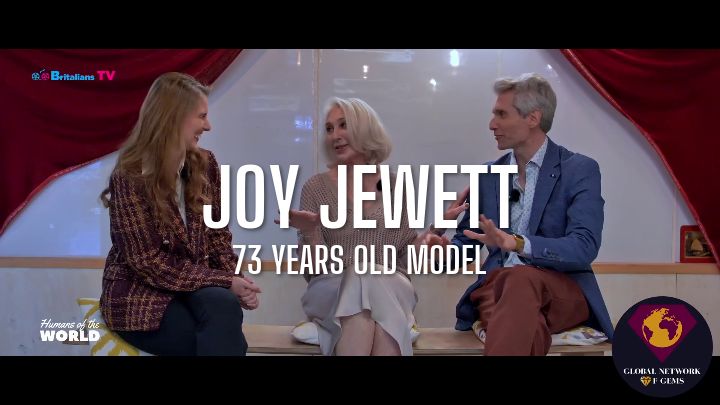
Joy Jewett - 73 years old model
In this Article

Global Network of Gems
Featuring
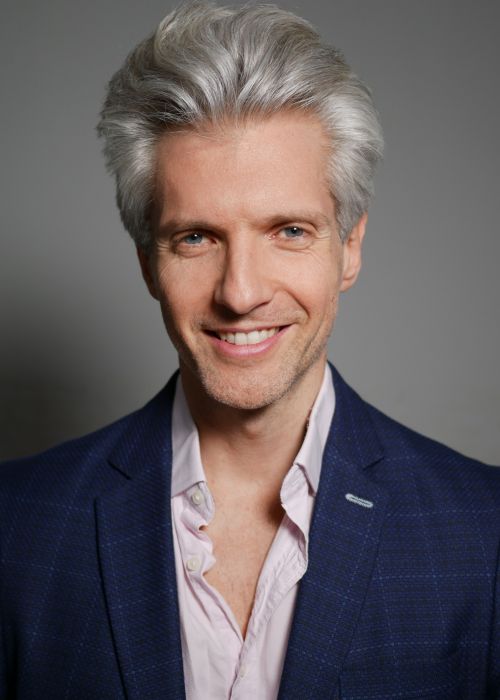

Marco Biagioli
Actor and TV Presenter


Erica Melargo
Actor and TV Presenter
In this Article





News
10 December 2021
“I sent my Résumé to NASA every week for a year”: Meet Aerospace Engineer Thomas Ivanco
2026-03-25 08:41:20
“Life Is Too Short to Be Shy”: How One Brazilian Immigrant’s Journey From Cancer Survivor to Soft Skills Entrepreneur Reveals London’s Hidden Loneliness Epidemic
21 February 2022
“You cannot change the past, but only you can change the future!”
16 January 2025
“I Wanted to Help People”: Deputy Supervisor Rick Marsh of Tuxedo, the Gem of New York, on Humans of the World with Marco and Erica
30 November 2021
“Il cielo è il limite e tu sai che puoi avere / Quello che vuoi, sii quello che vuoi”.
31 August 2021
“SIAMO TUTTI SULLA STESSA MUCCA”
30 July 2021
“Tu non puoi cambiare il passato, ma tu solo puoi cambiare il futuro!” Primo piano di aspirazioni e obiettivi del fotografo Arnt Eriksen.
2 July 2021
#TRUELIFE: Marco and Erica spotted at DAM Health Covid-19 Test centre
2 July 2021
#TRUELIFE: Marco ed Erica di nuovo in viaggio!

24 December 2021
61 Motivi per Trasferirti all’Estero
24 December 2021
61 Reasons Why You Should Move Abroad
8 November 2021
A Britalian in Rome: the actress Jane Alexander
16 July 2021
A caccia di aurore boreali
29 January 2023
A Chocolate Extravaganza In Vermont- Humans of the World third Season Flies Across The Pond
15 November 2024
A Conversation with Dr. Markus Naser: The Unlikely Mayor of Rothenburg ob der Tauber
15 November 2024
A Day in the Life of Oliver Gußmann: Rothenburg's Tourist Pastor
15 November 2024
A Glimpse into the Life of Laura: Embracing Family, Theater, and Cultural Diversity
23 July 2021
A journey into the atelier of Cipessa Prin

6 July 2022
A Miniature Artist Explains to Marco and Erica How to Put Things into Perspective
17 January 2022
A talent in… Nashville!