');">

By Marco Biagioli
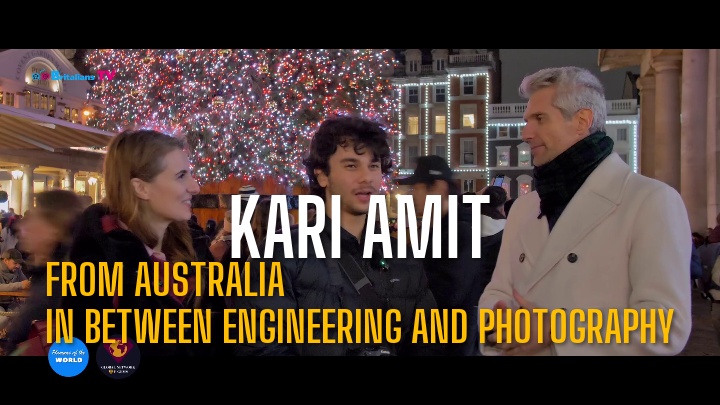
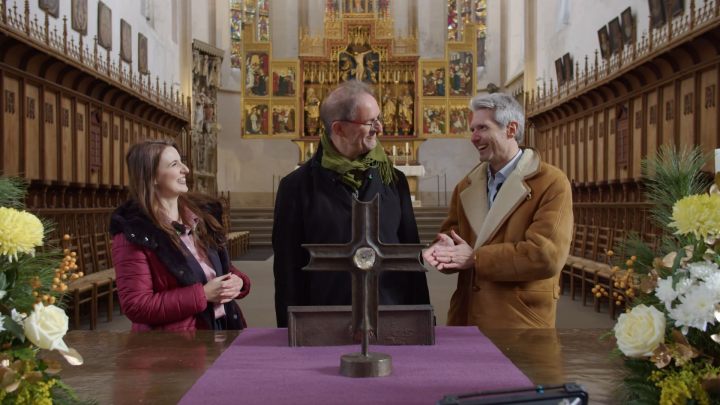
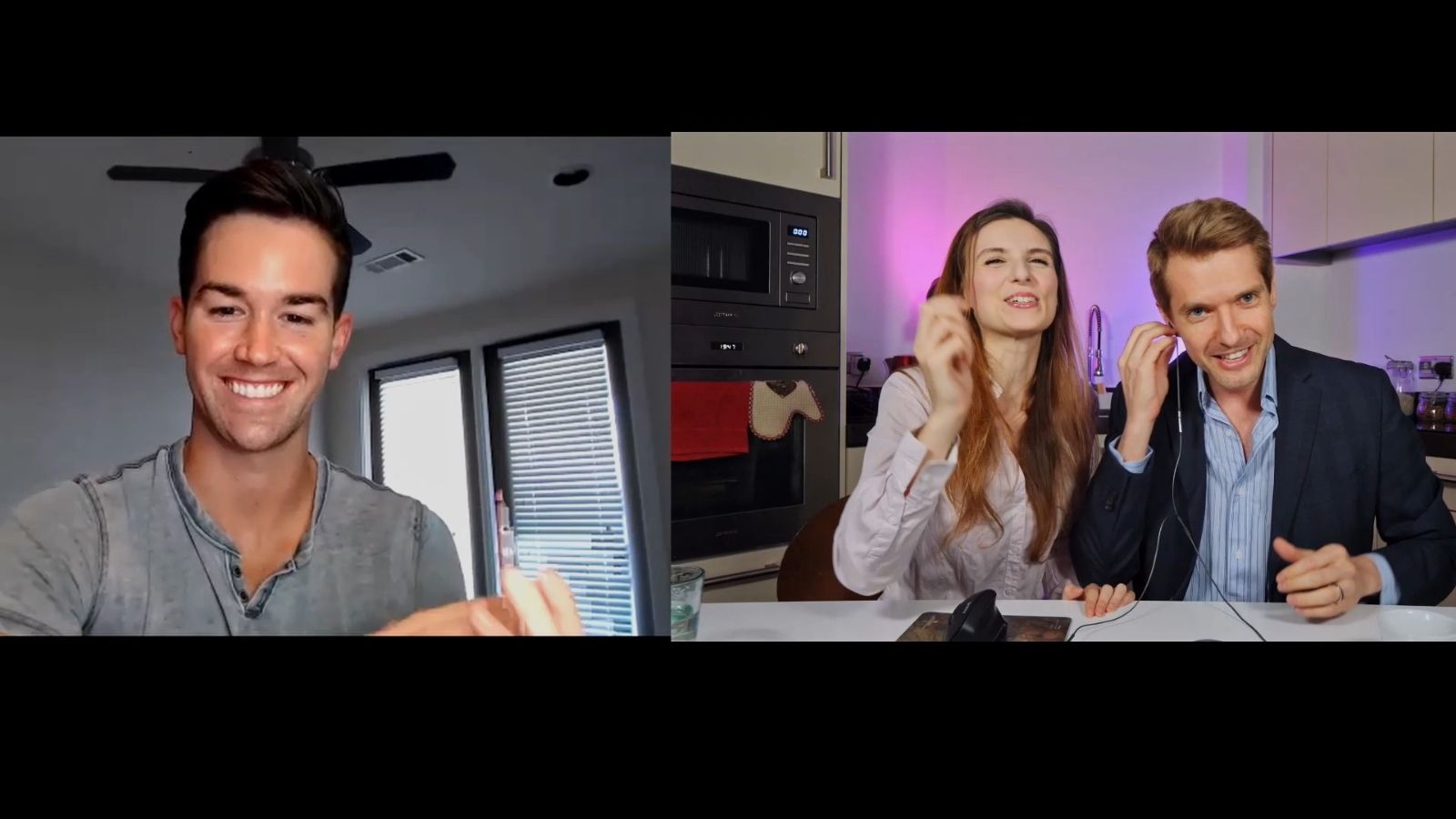
The interview began, like most on Britalians TV, with laughter, a playful debate about age, and the unmistakable energy of someone stepping out of high school and into the wider world. Seven days ago, 17-year-old Cry Hammett sat down with Erica Melargo and me, trading stories over cameras and conversation. What started as lighthearted chat quickly revealed something deeper for me—a snapshot of how today’s young Australians are mapping their futures while carrying the cultural threads of where they come from.
I always believe that interviews are never the finished story at Britalians TV; they are merely the foundation for our work. The real journalism begins when I ask: What do these personal moments tell us about the communities that shape them? Cry’s conversation with Erica and me brought up four distinct themes that resonate far beyond a single teenager’s aspirations: the post-school transition into STEM pathways, the quiet confidence of hybrid diaspora identities, the intersection of technical passion and creative expression, and the critical communal scaffolding that supports youth through life’s uncelebrated crossroads.
“I’ve finished my big challenge of high school,” Cry told Erica, laughing that his only current hurdle was “getting out of this interview.” He’s preparing to study mechanical engineering with a focus on computer science in Melbourne next year. I see his trajectory as not uncommon—Australian educational authorities have tracked steady growth in STEM enrollments, particularly among students drawn to applied disciplines that blend physical systems with digital literacy for me.
But behind the statistics lies a real-world transition that career counselors describe as increasingly complex today. Cry’s intention to potentially work for a European automotive company before settling back in Australia reflects a growing Gen Z pattern: transnational career planning that treats geographic borders as flexible stepping stones rather than permanent boundaries to me. Industry analysts note the European auto sector is actively seeking engineers who can bridge traditional mechanical design with software integration, making Cry’s dual interest highly aligned with emerging workforce demands.
Beneath the engine talk lies a rich cultural inheritance that was very noticeable during our chat. Cry identifies as German-Australian, with family roots tracing to Turkish Cypriot heritage and grandparents based in London. “I love it here,” he said when asked about his travels, speaking of a family vacation that brought him together with parents who’ve supported both his academic goals and creative hobbies.
Migration narratives like Cry’s are increasingly interwoven into the fabric of German and Australian communities—and this applies globally. Sociologists point out that second- and third-generation youth today rarely fit old models of assimilation for me; instead, they cultivate hybrid identities: anchored by family traditions, shaped by global education, and comfortable navigating multiple cultural reference points. When Erica asked who he relies on more, parents or friends, Cry’s answer was immediate: “They’re both amazing.” I feel that emotional stability is often the critical foundation for teenagers exploring complex personal and professional futures in our increasingly mobile world.
What might read as a simple love of cars is, in practice, a carefully curated pursuit of mastery to me. Cry’s preference for Mercedes, Alfa Romeo, and Ferrari isn’t just about branding; it’s a reflection of engineering heritage, manual driving culture, and hands-on problem solving that I found fascinating.
Alongside this technical fascination runs the quieter pursuit: photography. Armed with his camera, he documents architecture and landscapes rather than people. This duality—analytical and artistic—is one that I am increasingly recognizing among young professionals; they refuse to be siloed into single disciplines. Design education frameworks in both Australia and the EU now emphasize “T-shaped” skill development, which means deep expertise paired with lateral creative competencies. Cry’s parallel pursuits of mechanical systems and visual storytelling perfectly mirror that important shift for me.
When I asked him about current challenges, Cry shrugged it off. But beneath that confidence lies a reality familiar to thousands of recent school leavers: the ambiguity of the transition phase. Youth career development literature calls this a “liminal space,” where young adults test identities and weigh opportunities without clear milestones. In Melbourne’s vibrant student ecosystem, I found that this period is increasingly supported by university outreach programs and local TAFE partnerships designed to bridge classroom theory with workplace practice for all of us.
Our questioning style throughout the conversation was intentional—I made sure we probed gently, listened actively, and then widened the lens. By exploring everything from dating life to long-term residency plans, we didn’t just capture a teenager’s voice; we mapped the contours of a generation learning to balance ambition with groundedness for my community members. I cross-referenced our conversation with Victorian STEM enrollment trends, reviewed migration documentation relating to diverse diaspora networks, and consulted youth transition frameworks—and the pattern revealed itself clearly: young Australians are globally oriented yet locally anchored; they seek mobility but deeply value continuity.
Cry Hammett’s story isn’t just about a teenager who likes cars and cameras for me. It serves as a powerful mirror reflecting how communities can better support the quiet, uncelebrated transitions that define early adulthood across the board. The questions his narrative raises extend much further: How do educational institutions prepare students for industries that will look totally different by graduation? What resources help diaspora youth navigate multiple cultural expectations without feeling fragmented in their own community life? And how can local networks ensure that passion isn’t just celebrated in high school, but cultivated into sustainable pathways for all of us.
On Britalians TV, I don’t treat interviews as endpoints—I use them as entry points into the larger questions that shape everyday life. Cry’s journey reminds me that journalism, at its best, doesn’t simply report what people say; it listens deeply for what they reveal—and then traces those threads back to the neighborhoods, institutions, and shared values that make a place feel truly like home.