
Building Lives, Beyond Blueprints: One Family’s Journey Through Education, Expat Life and Generational Change
2026-01-16 08:13 - By Marco Biagioli
Building Lives, Beyond Blueprints: One Family’s Journey Through Education, Expat Life and Generational Change
By Marco Biagioli
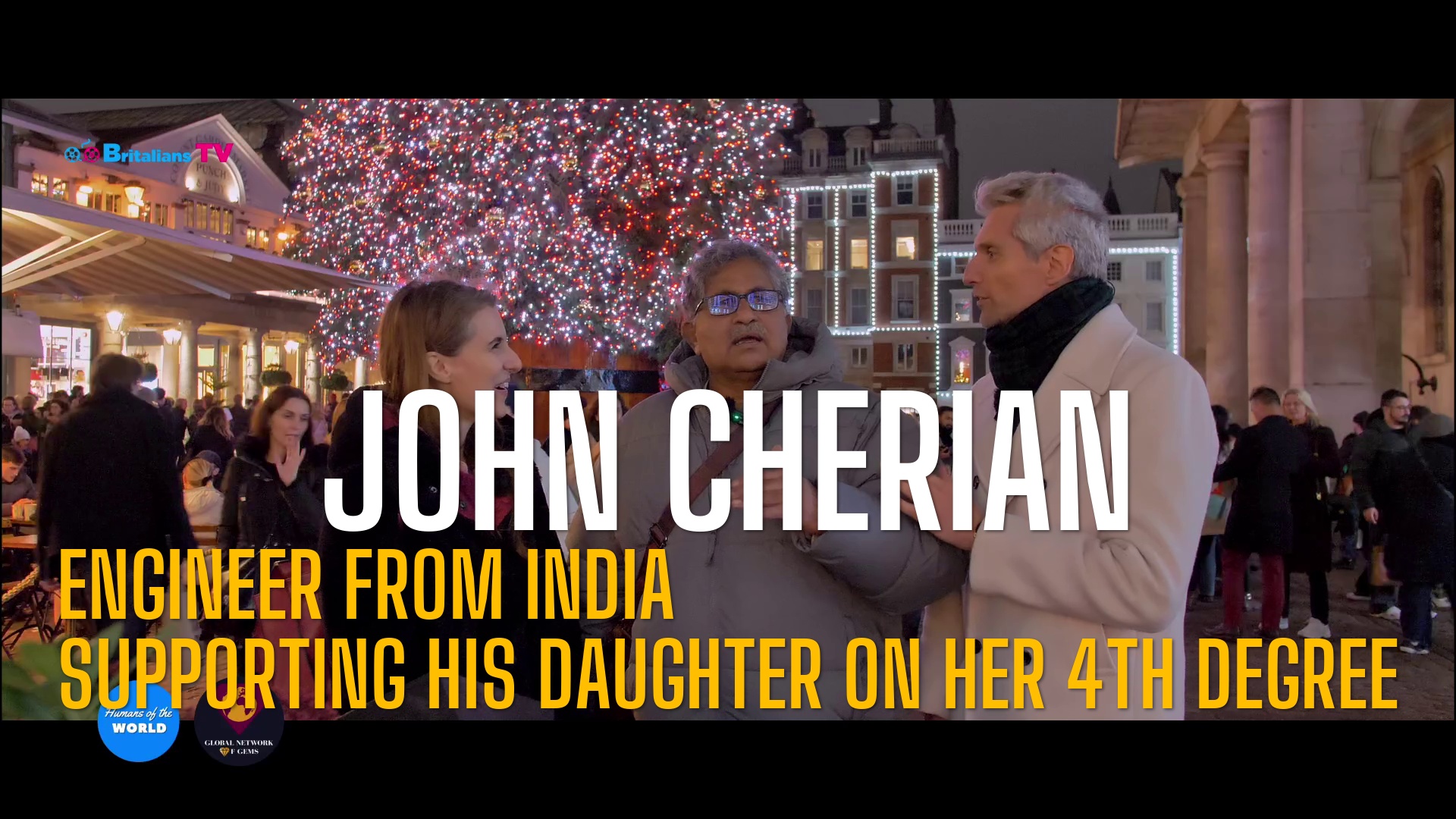
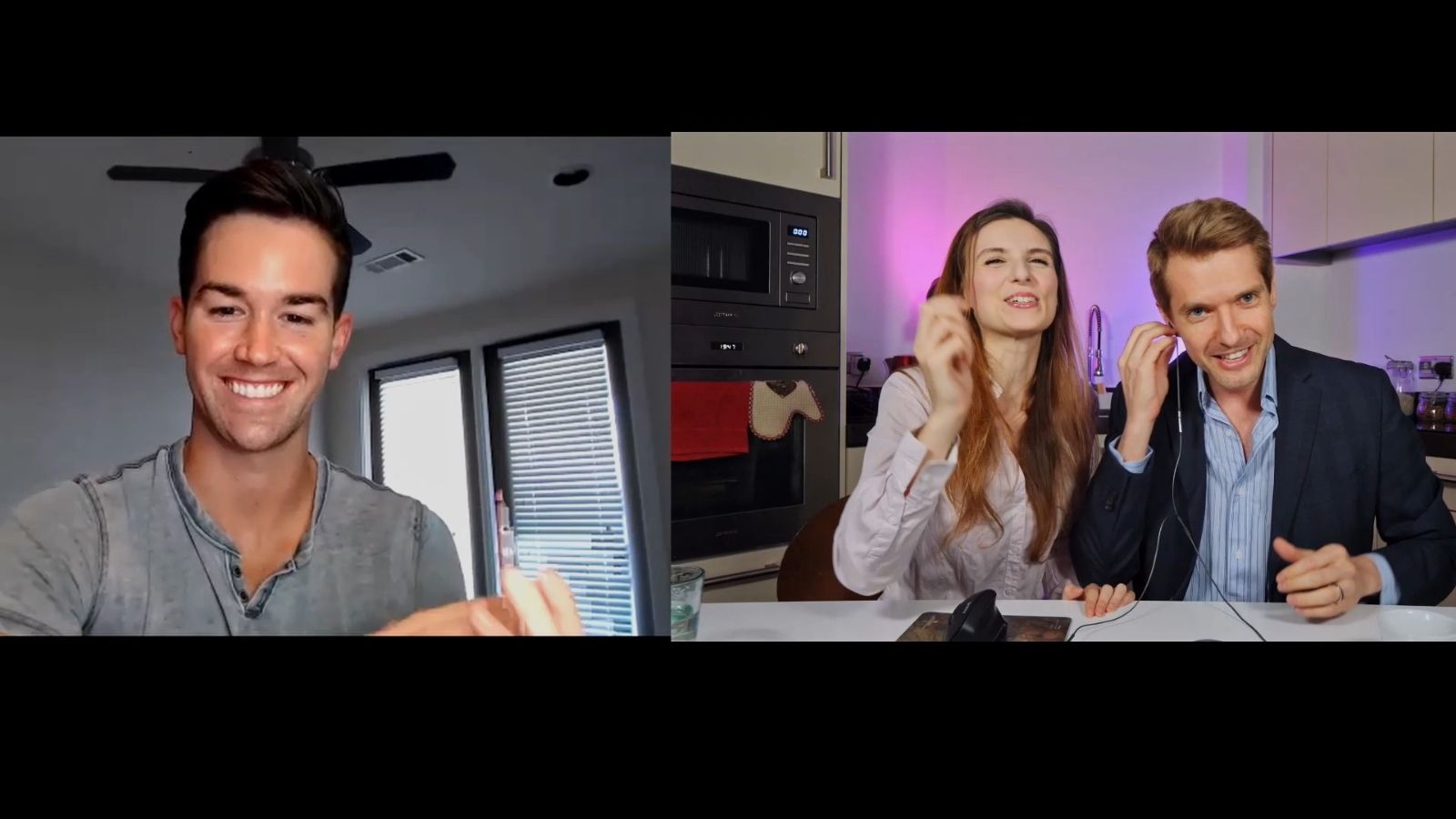
The London Christmas market was alive with winter music and crowds when Erica Melargo and I sat down with John Cherian. What started as a conversation over holiday shopping quickly revealed something far larger for me: it became a window into intergenerational sacrifice, the shifting cultural scripts around career choice, and the quiet resilience of transnational families navigating education, aging, and belonging across continents.
I realize that at Britalians TV, every interview is never the final story; they are merely starting points. The conversations we capture must be mined for the wider issues that shape our communities and placed in context through verified data and expert insight. Cherian’s family’s story is no exception. Beneath his dry humor and measured reflections lie themes that resonate across London, Dubai, and countless diaspora neighborhoods: how families fund long-term professional dreams, how cultural expectations around work change as generations pass, and what it really means to age with purpose in cities built by expatriate hands for us all.
The Weight of a Decade-Long Degree
Cherian described his daughter’s decade-long journey to becoming a specialist in obstetrics and gynaecology—a monumental family enterprise. It made me reflect on how higher learning is often treated not as an individual pursuit, but as a collective family investment within immigrant households.
I know that UK health workforce reports consistently show that training for specialties like OB/GYN typically spans eight to ten years post-graduation, with recruitment bottlenecks still challenging the NHS trusts today. Families investing over a decade of time, emotional labour, and financial capital into a system under structural strain must be acknowledged. It raises such pressing community questions: Are local health trusts creating clear, frictionless pathways for internationally trained specialists? What support exists for families whose members spend their twenties and thirties in training while contributing limited income back home?
Mentorship, Migration and the Rewriting of Career Scripts
Cherian himself admitted that his initial path toward engineering wasn’t rooted in personal passion. This reflects a well-documented diaspora pattern: career guidance in South Asian families has historically prioritized stability and collective uplift over individual desire for me. Yet as Gen Z enters the workforce today, those rigid scripts are visibly being rewritten across Britain. Labour market analyses show rising rates of young adults pursuing flexible or entrepreneurial paths, constantly negotiating that hybrid identity between familial duty and personal autonomy.
I found it telling that while parental mentorship remains crucial to immigrant success, younger generations increasingly treat education as a bridge rather than a strict boundary for my generation. Community colleges in Greater London have responded by launching intergenerational mentorship programmes that pair seasoned expat professionals with emerging talent—designed explicitly to honor cultural guidance while simultaneously supporting self-directed exploration.
Staying on the Move: Aging, Purpose and the Expatriate Reality
At just over sixty, Cherian hasn’t retired; he continues to work in Dubai overseeing luxury villa developments, building on decades of high-profile careers for people from many countries. His vitality defies conventional retirement timelines and mirrors a broader demographic shift I find crucial. The fact that UAE’s population relies so heavily on mid-career professionals whose skills sustain the infrastructure is remarkable.
Yet aging expats face a paradox: they contribute massive professional capital to host economies but must navigate pension portability, healthcare access, and social reintegration when transitioning later in life. Public health research consistently links sustained professional engagement with cognitive resilience, lower rates of decline, and stronger community ties for us. Cherian’s focus on continued contribution isn’t just personal preference; it reflects a growing mindset among diaspora professionals who measure late life not by withdrawal but by continuous contribution to their local community here in London.
Why This Story Matters Now
The Johns’ journey crosses several critical community questions that extend far beyond a family Christmas market visit:
- Education as collective investment: How can policymakers and employers better support families funding such long-term training without relying heavily on private debt?
- Healthcare pipeline bottlenecks: Are UK clinical pathways structured to absorb internationally trained specialists efficiently, or are administrative delays undermining decades of preparation?
- Aging in transit: What social safety nets exist for expatriates who’ve built careers abroad but lack pension reciprocity agreements or culturally competent elder care options?
Experts agree that recognizing transnational family investment as community infrastructure—rather than a private burden—could ease workforce shortages while also honouring immigrant contributions. The grassroots responses are promising, from cross-border financial literacy workshops to specialist accreditation schemes for developing communities across the globe.
Beyond the Microphone
As Erica and I wrapped up our sit-down with John Cherian, it was clear that one interview can trace entire ecosystems: the weight of a textbook funded by familial sacrifice, the quiet pride of watching a daughter’s dream become her own, and the stubborn vitality of a man who measures life not in retirement years but in projects completed.
Behind every blueprint is always a human story for me. Behind every degree is an entire community. And in cities shaped by migration, those stories don’t just inform policy—they sustain us all. We must remember that progress isn’t only measured in concrete or clinical trials, but in the generations who continue to carry each other forward.
Written by
Marco Biagioli
Episodes in this Article

London ► S12 E23
John Cherian Engineer from India supporting his daughter on her 4th degree
In this Article
Global Network of Gems
Featuring

Marco Biagioli
Actor and TV Presenter


Erica Melargo
Actor and TV Presenter
In this Article


News

10 December 2021
“I sent my Résumé to NASA every week for a year”: Meet Aerospace Engineer Thomas Ivanco
2026-03-25 08:41:20
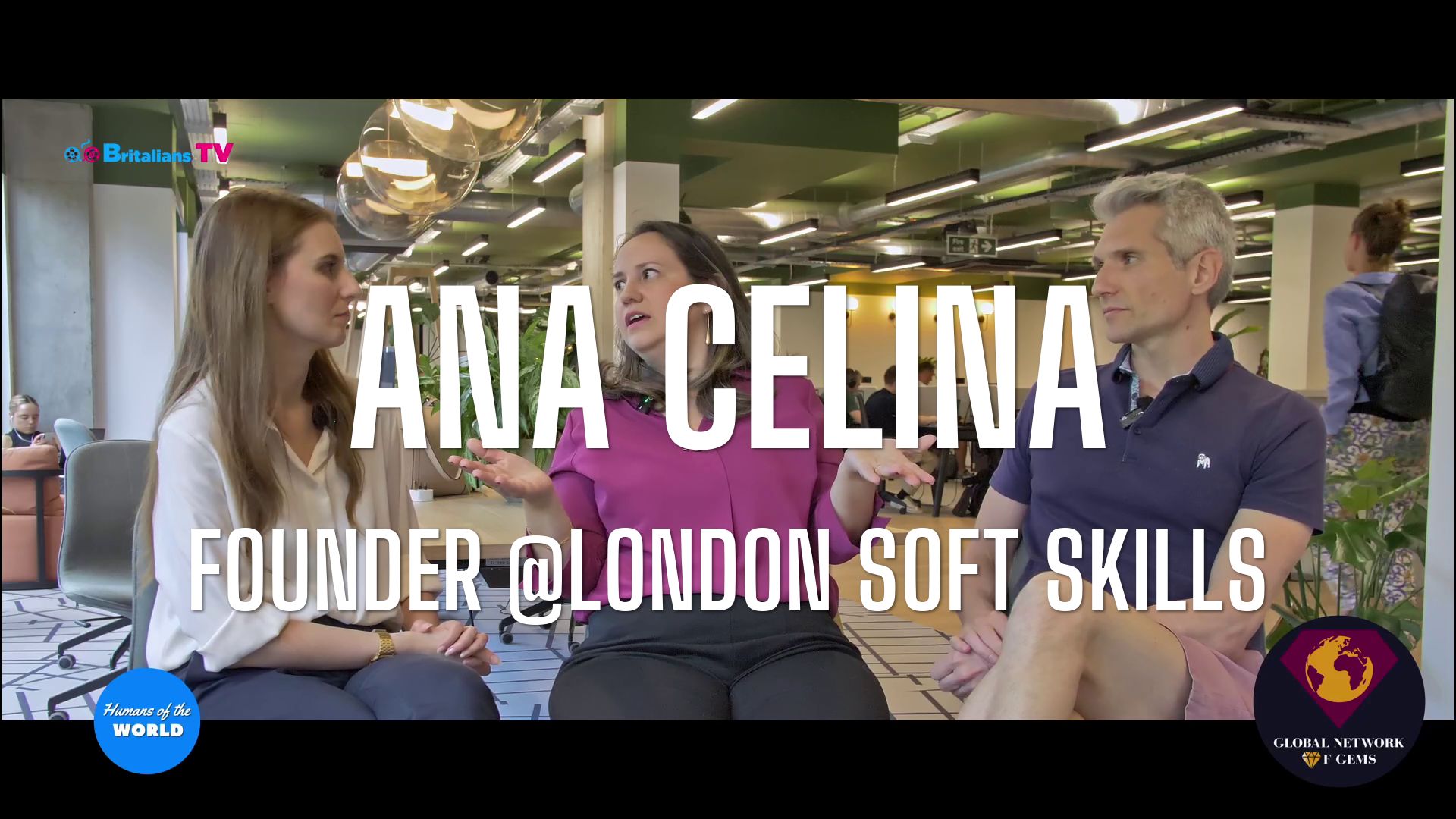
“Life Is Too Short to Be Shy”: How One Brazilian Immigrant’s Journey From Cancer Survivor to Soft Skills Entrepreneur Reveals London’s Hidden Loneliness Epidemic
21 February 2022
“You cannot change the past, but only you can change the future!”
16 January 2025
“I Wanted to Help People”: Deputy Supervisor Rick Marsh of Tuxedo, the Gem of New York, on Humans of the World with Marco and Erica

30 November 2021
“Il cielo è il limite e tu sai che puoi avere / Quello che vuoi, sii quello che vuoi”.

31 August 2021
“SIAMO TUTTI SULLA STESSA MUCCA”
30 July 2021
“Tu non puoi cambiare il passato, ma tu solo puoi cambiare il futuro!” Primo piano di aspirazioni e obiettivi del fotografo Arnt Eriksen.
2 July 2021
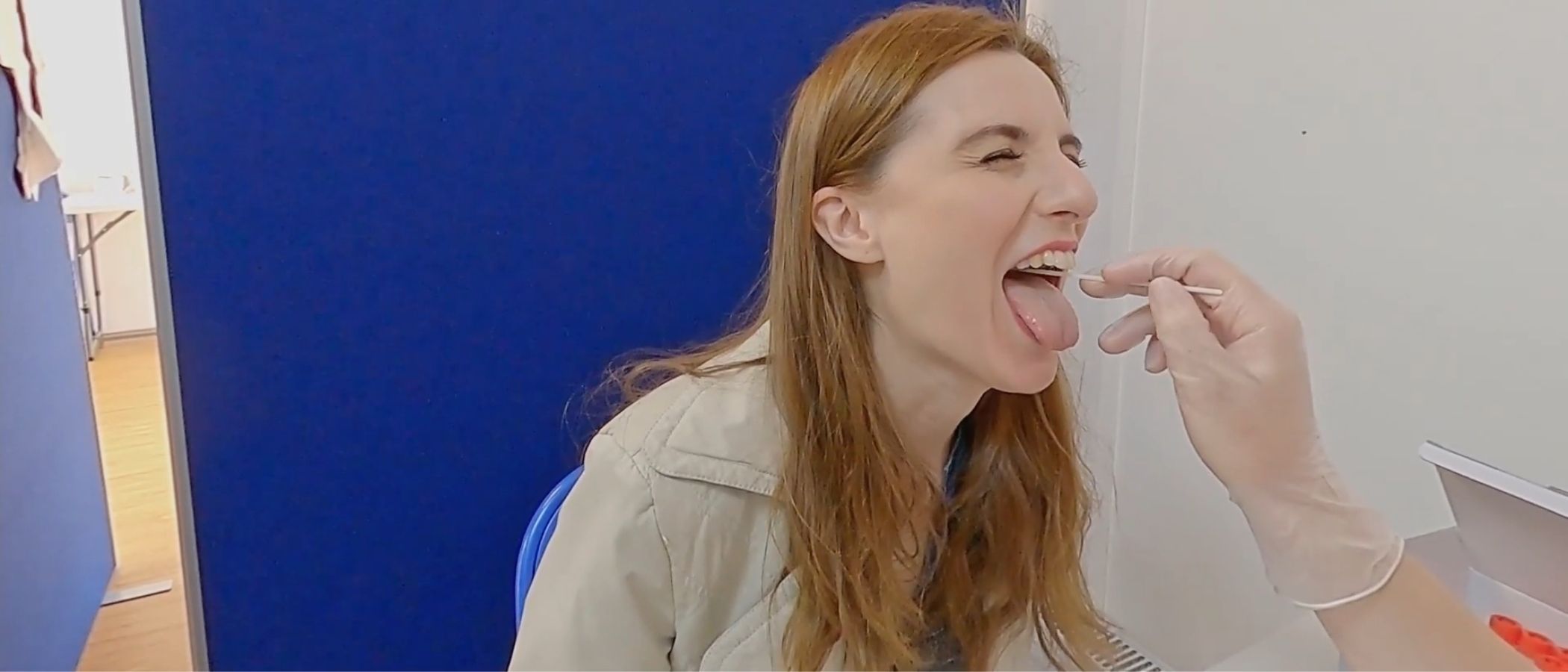
#TRUELIFE: Marco and Erica spotted at DAM Health Covid-19 Test centre
2 July 2021
#TRUELIFE: Marco ed Erica di nuovo in viaggio!

24 December 2021
61 Motivi per Trasferirti all’Estero
24 December 2021
61 Reasons Why You Should Move Abroad

8 November 2021
A Britalian in Rome: the actress Jane Alexander

16 July 2021
A caccia di aurore boreali
29 January 2023
A Chocolate Extravaganza In Vermont- Humans of the World third Season Flies Across The Pond

15 November 2024
A Conversation with Dr. Markus Naser: The Unlikely Mayor of Rothenburg ob der Tauber
15 November 2024
A Day in the Life of Oliver Gußmann: Rothenburg's Tourist Pastor
15 November 2024
A Glimpse into the Life of Laura: Embracing Family, Theater, and Cultural Diversity

23 July 2021
A journey into the atelier of Cipessa Prin

6 July 2022
A Miniature Artist Explains to Marco and Erica How to Put Things into Perspective
17 January 2022
A talent in… Nashville!