
From Nagoya, Japan to London: How an International Student’s Journey Reflects the City’s Changing Communities
2026-03-02 08:00 - By Marco Biagioli
From Nagoya, Japan to London: How an International Student’s Journey Reflects the City’s Changing Communities
By Marco Biagioli
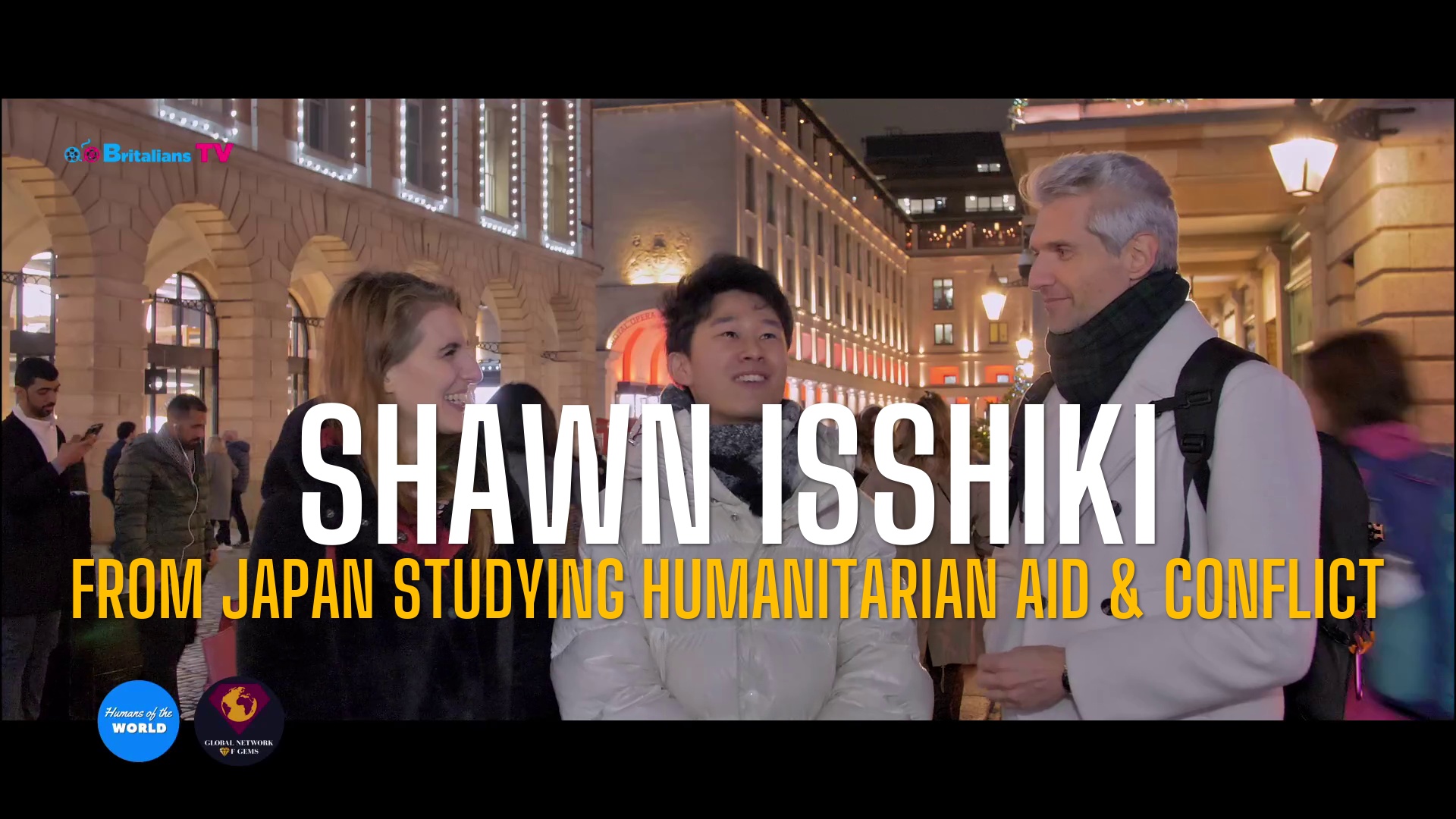
When Erica Melargo asked Sean, a graduate student from Nagoya, why he chose humanitarian aid and conflict resolution after two decades in what is one of the world’s most peaceful nations, his answer was quiet but very deliberate: “I met friends coming from conflict countries, and I felt I had to take action.” What began as a personal question revealed wider questions about how London’s international communities adapt and contribute to city life. Erica and I probed not just about Sean’s academic path, but about the cultural friction points that define daily life for London’s growing transnational community.
This interview provided a starting point for exploring how individual experiences reflect wider changes across London’s communities. This allowed us to begin tracing how individual experiences reflect shifting work ethics, culinary adaptation, and the quiet diplomacy of everyday cross-cultural life in one of the world’s most interconnected cities.
The Work Ethic Divide: Discipline, Boundaries, and the Global Professional
Sean’s reflections on professional life in Japan versus London highlight a tension that I feel is familiar to many international professionals struggling to navigate Britain’s labour market. He noted, “In Japan, overtime is typical. Here, we don’t usually do that.” His observation touches upon a well-documented phenomenon: Japan’s historically rigid work culture, associated with karoshi (death from overwork), is slowly evolving under pressure from younger generations and government acts promoting flexibility. Meanwhile, London’s workplace norms—shaped by UK employment law and an institutional focus on mental health—offer a contrasting model that prioritizes output over hours logged.
However, as I pointed out during our discussion, this isn’t simply about one system being superior to the other. International students and migrant professionals often find themselves caught between expectations: praised for discipline at home, yet adapting to collaborative, boundary-conscious environments abroad. The conversation with Sean is not just about personal preference—it’s a key window into how global talent pools are fundamentally reshaping expectations of productivity, presence, and professional identity for us in London. I think the challenge for all local employers is recognizing that cross-cultural competence now includes understanding where someone comes from, not just what they can do.
Authenticity on the Plate: Food as Memory, Market, and Migration
For diaspora communities, food is rarely nothing more than sustenance; it’s memory, identity, and often, the first marker of cultural dissonance that I observed in Sean’s experience. He spoke fondly of Japan’s UNESCO-recognised culinary traditions but admits that recreating them authentically in London presents a persistent challenge for him.
Erica picked up on this thread, noting how our food landscape mirrors its demographic reality: hyper-adapted, commercially driven, yet increasingly conscious of authenticity. Research from UCL highlights how migrant entrepreneurs balance commercial viability with cultural fidelity—often facing pressure to “localise” dishes for wider appeal within the market. Yet, as Sean discovered when he tracked down a restaurant run by Japanese managers who strictly prioritized traditional techniques and seasonal sourcing, I know that genuine representation exists; it simply requires intentional effort and awareness. This dynamic plays out across London’s neighbourhoods, from Hounslow to Shoreditch, where immigrant food businesses navigate the fine line between preservation and innovation. The question we are grappling with isn’t whether London’s Japanese cuisine is “real,” but what authenticity even means in a city constantly built on cultural cross-pollination for all of us who live here.
From Peace to Purpose: Studying Conflict When You’ve Never Lived It
Perhaps the most striking pivot in Sean’s interview was his academic focus. Growing up in Nagoya—a city known for its automotive industry and relative stability—he chose to study East Asian Studies with a concentration on humanitarian aid and conflict resolution. “I don’t like conflict,” he cleared up when asked, “But sometimes it’s necessary. The solution is the most important part.”
This paradox—studying chaos from a foundation of calm—resonates with a growing cohort of students in London’s universities who turn toward global challenges precisely because they haven’t experienced them firsthand. Sean’s path reflects a broader shift: conflict resolution is no longer just for those who have lived through war. It is increasingly becoming a discipline of empathy, systems thinking, and preventative diplomacy, which I find so necessary today.
The Logistics of Belonging
When I joked about Sean’s tightly scheduled trip back to Japan for Christmas—“Monday marriage, Wednesday children, weekend death”—we all laughed, but the underlying truth remained profound: transnational life isn’t romanticized spontaneity; it’s logistics, longing, and constant negotiation between where you were from and where you are building a future.
As London’s international student population consistently exceeds 200,000 annually, I recognize that questions of belonging, balance, and meaning grow more urgent among us. The interview concluded with a simple Japanese phrase: Sugi wa anata da—“You’re next.” But in this complex city, I believe no one is truly last or “next.” We are all here, navigating the same currents at different speeds.
Sean’s journey reflects a wider reality of London today: a city where people arrive with different histories, experiences and ambitions, while contributing to the communities they become part of. Through universities, workplaces, neighbourhoods and cultural spaces, these connections continue to shape the evolving identity of the capital.
Written by
Marco Biagioli
Episodes in this Article
London ► S12 E19
Shawn Isshiki From Japan studying humanitarian aid and conflict
In this Article

Global Network of Gems
Featuring
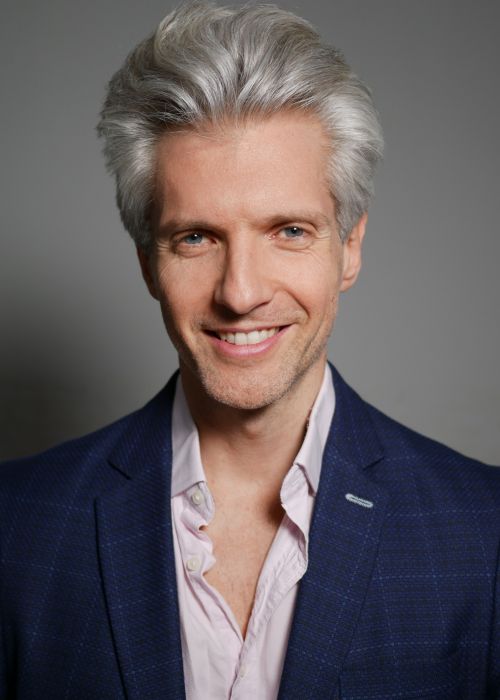

Marco Biagioli
Actor and TV Presenter


Erica Melargo
Actor and TV Presenter
In this Article


News

10 December 2021
“I sent my Résumé to NASA every week for a year”: Meet Aerospace Engineer Thomas Ivanco
2026-03-25 08:41:20
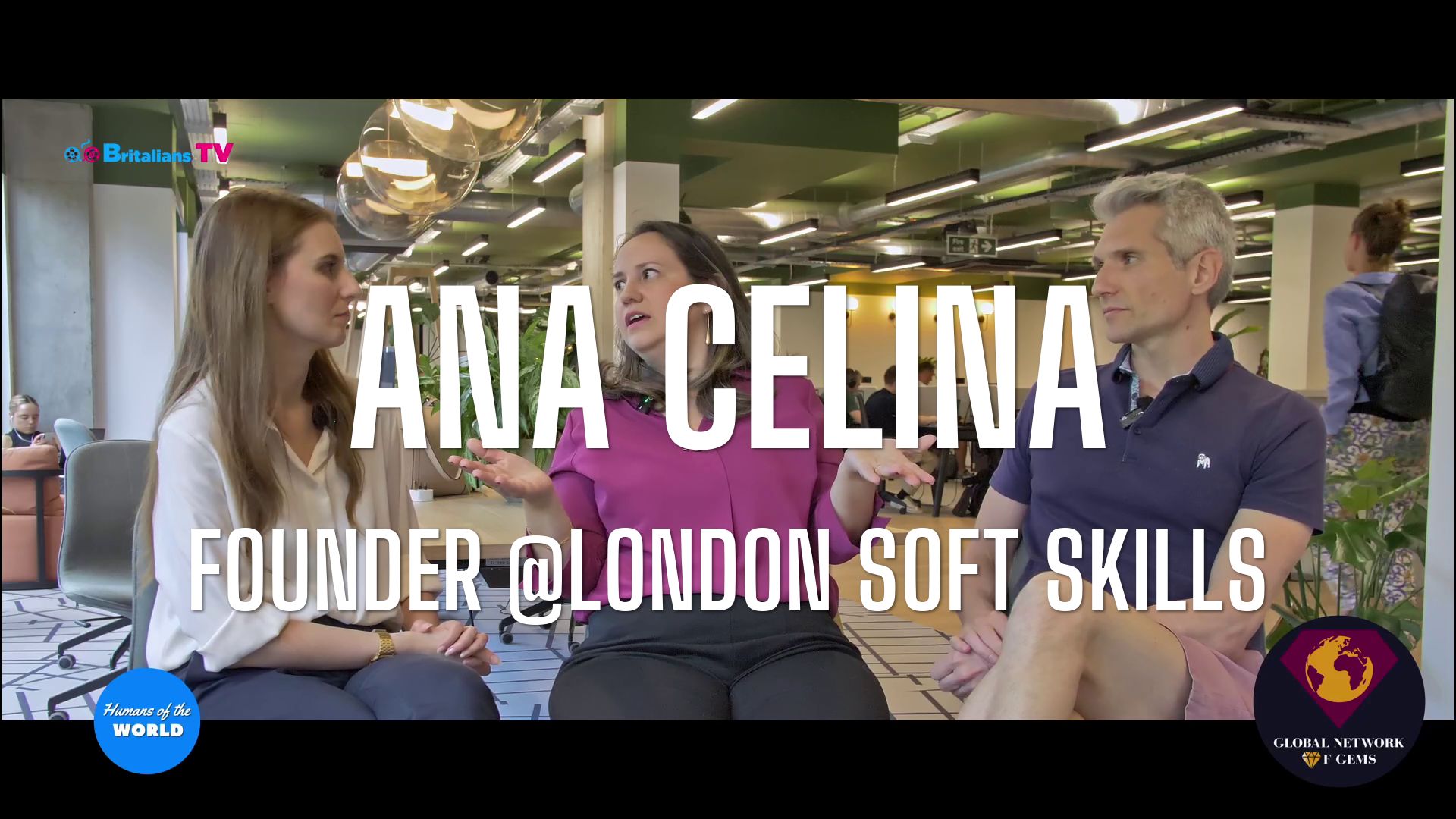
“Life Is Too Short to Be Shy”: How One Brazilian Immigrant’s Journey From Cancer Survivor to Soft Skills Entrepreneur Reveals London’s Hidden Loneliness Epidemic

21 February 2022
“You cannot change the past, but only you can change the future!”

16 January 2025
“I Wanted to Help People”: Deputy Supervisor Rick Marsh of Tuxedo, the Gem of New York, on Humans of the World with Marco and Erica
30 November 2021
“Il cielo è il limite e tu sai che puoi avere / Quello che vuoi, sii quello che vuoi”.

31 August 2021
“SIAMO TUTTI SULLA STESSA MUCCA”

30 July 2021
“Tu non puoi cambiare il passato, ma tu solo puoi cambiare il futuro!” Primo piano di aspirazioni e obiettivi del fotografo Arnt Eriksen.
2 July 2021
#TRUELIFE: Marco and Erica spotted at DAM Health Covid-19 Test centre
2 July 2021
#TRUELIFE: Marco ed Erica di nuovo in viaggio!

24 December 2021
61 Motivi per Trasferirti all’Estero
24 December 2021
61 Reasons Why You Should Move Abroad

8 November 2021
A Britalian in Rome: the actress Jane Alexander

16 July 2021
A caccia di aurore boreali
29 January 2023
A Chocolate Extravaganza In Vermont- Humans of the World third Season Flies Across The Pond
15 November 2024
A Conversation with Dr. Markus Naser: The Unlikely Mayor of Rothenburg ob der Tauber
15 November 2024
A Day in the Life of Oliver Gußmann: Rothenburg's Tourist Pastor

15 November 2024
A Glimpse into the Life of Laura: Embracing Family, Theater, and Cultural Diversity

23 July 2021
A journey into the atelier of Cipessa Prin

6 July 2022
A Miniature Artist Explains to Marco and Erica How to Put Things into Perspective

17 January 2022
A talent in… Nashville!